FLORIANO_RIGHETTI_OS // v2.0.4
00:00:00
Blog
Updates, decisions and written logs from the build floor.
cd
sort
> 57 files · 8 folders
> cat ./pinned ★ Featured
> ls -lt ./
NOVEMBER 2026 23
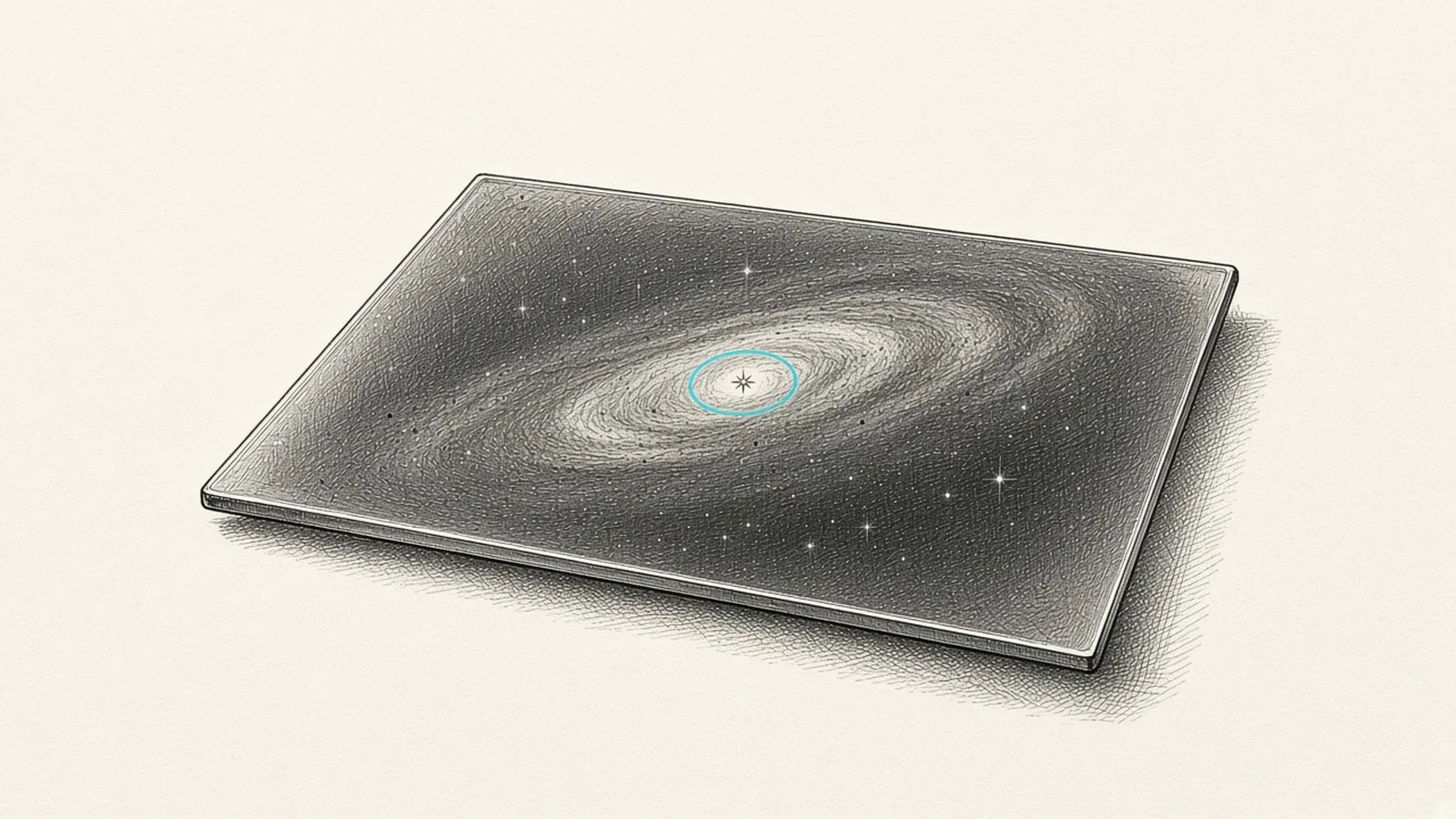
- An Exclamation Mark on Glass: Hubble and the VAR! Plate In October 1923 Edwin Hubble crossed out an N on a plate of Andromeda and wrote VAR!: a Cepheid that carried the universe beyond the Milky Way.
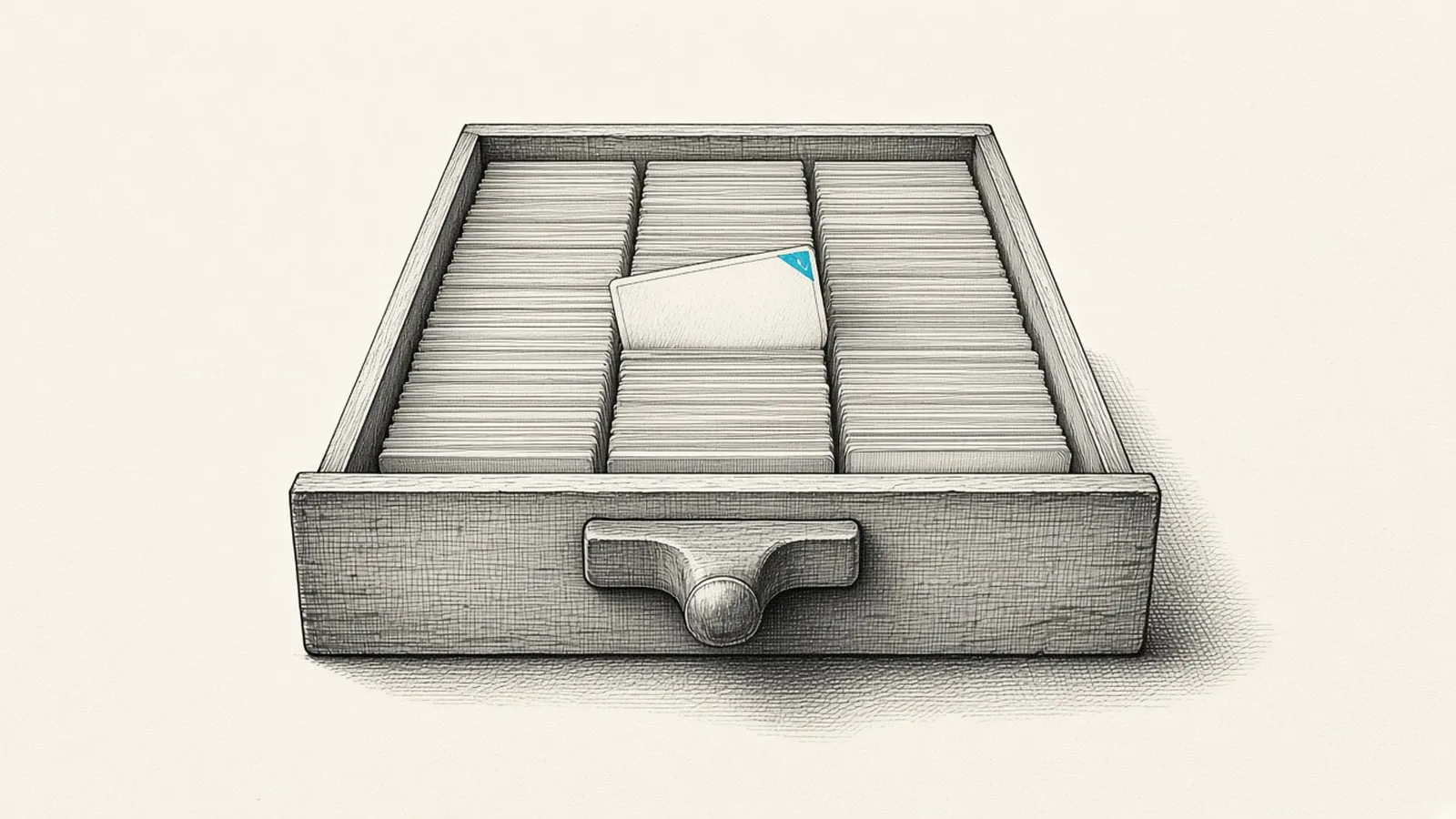
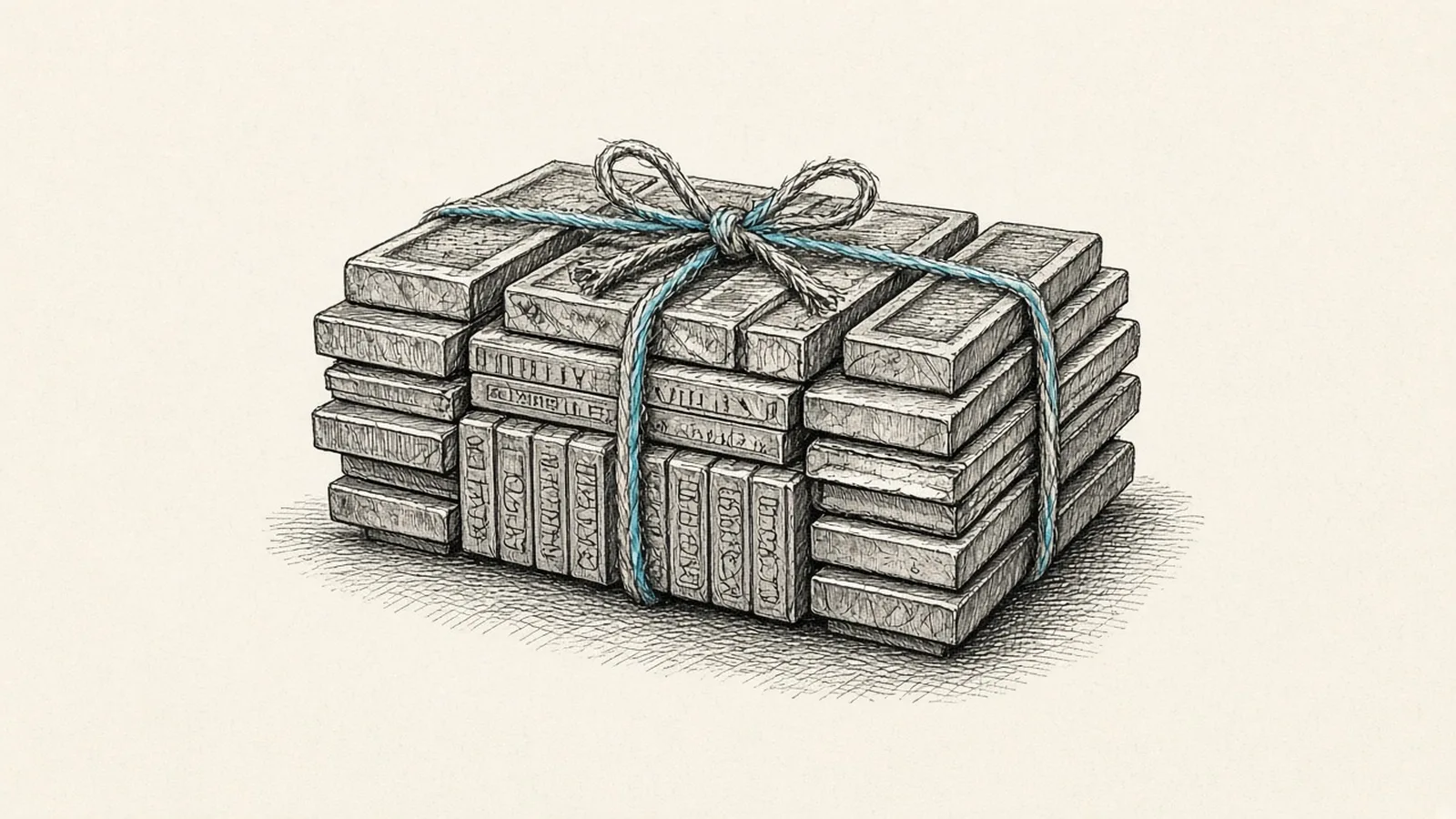
- The Drawer That Answers: Luhmann and His Ninety Thousand Slips For more than forty years Niklas Luhmann filled a card index of about ninety thousand slips, numbered with no topical order. It became a wooden colleague.
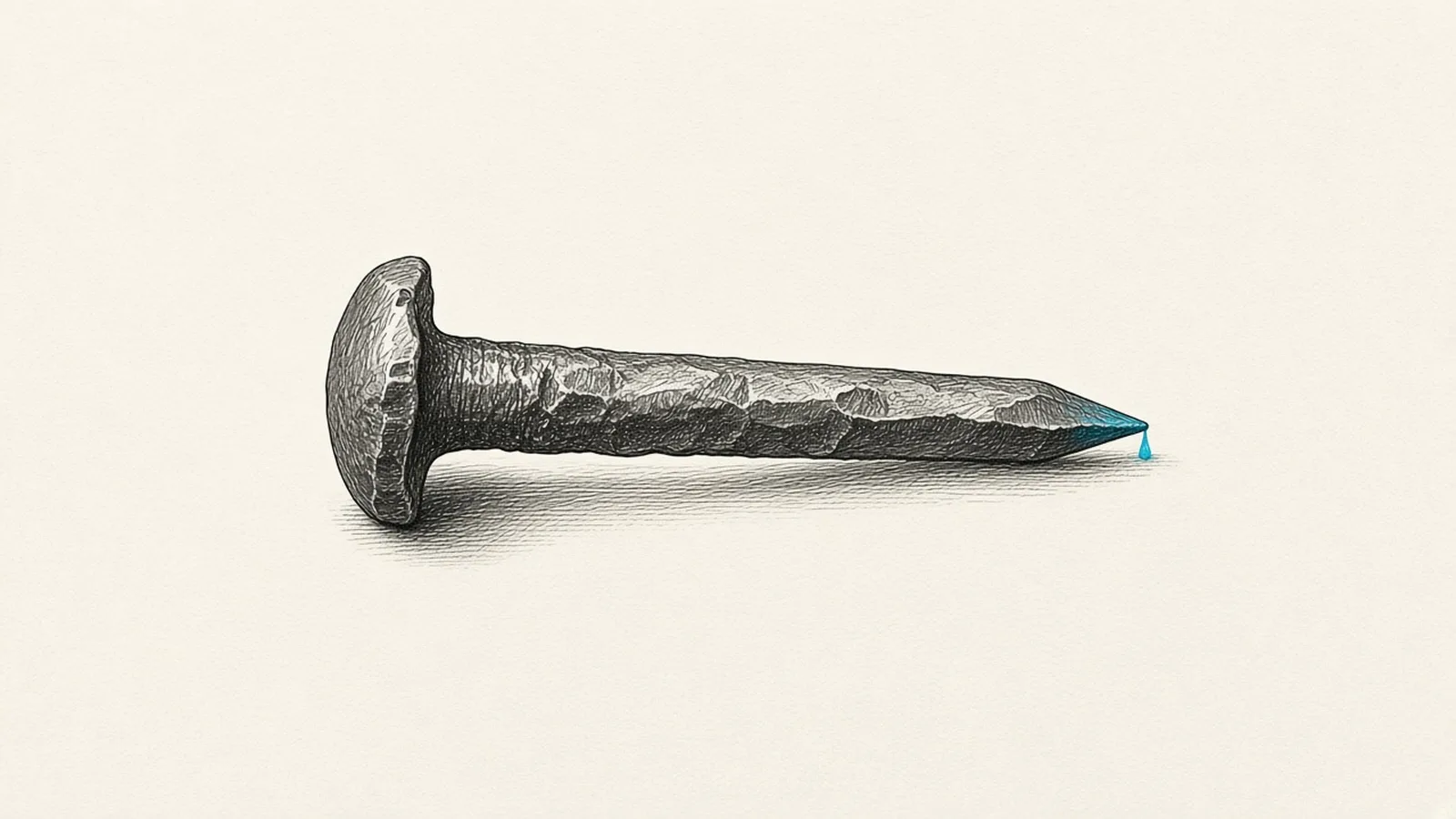
- The Stud in the Ankle: Talos, the Bronze Guardian of Crete Talos ran round Crete three times a day, invulnerable except at one point: a single vein closed by a bronze stud.
- Stopping Mid-Sentence: Hemingway, Kent Beck and the Broken Test Hemingway stopped writing when he knew how to go on; Kent Beck ends a session with a failing test. Two rules about where to stop.
- The Lump of Bronze: The Antikythera Mechanism and Its Counted Teeth In 1901 a lump of corroded bronze came up from the Antikythera wreck. Inside was a machine that counted eclipses, and a forgotten tradition.
- The Tomato on the Desk: Twenty-Five Minutes That Do Not Divide In the late 1980s a tomato-shaped kitchen timer became a method: an indivisible interval of work, wound by hand.
- The Sign on the Door: robots.txt and the List of Hidden Rooms In 1994 a text file asked the web's robots to keep away. Thirty years later, using it to hide things only points to where the door is.
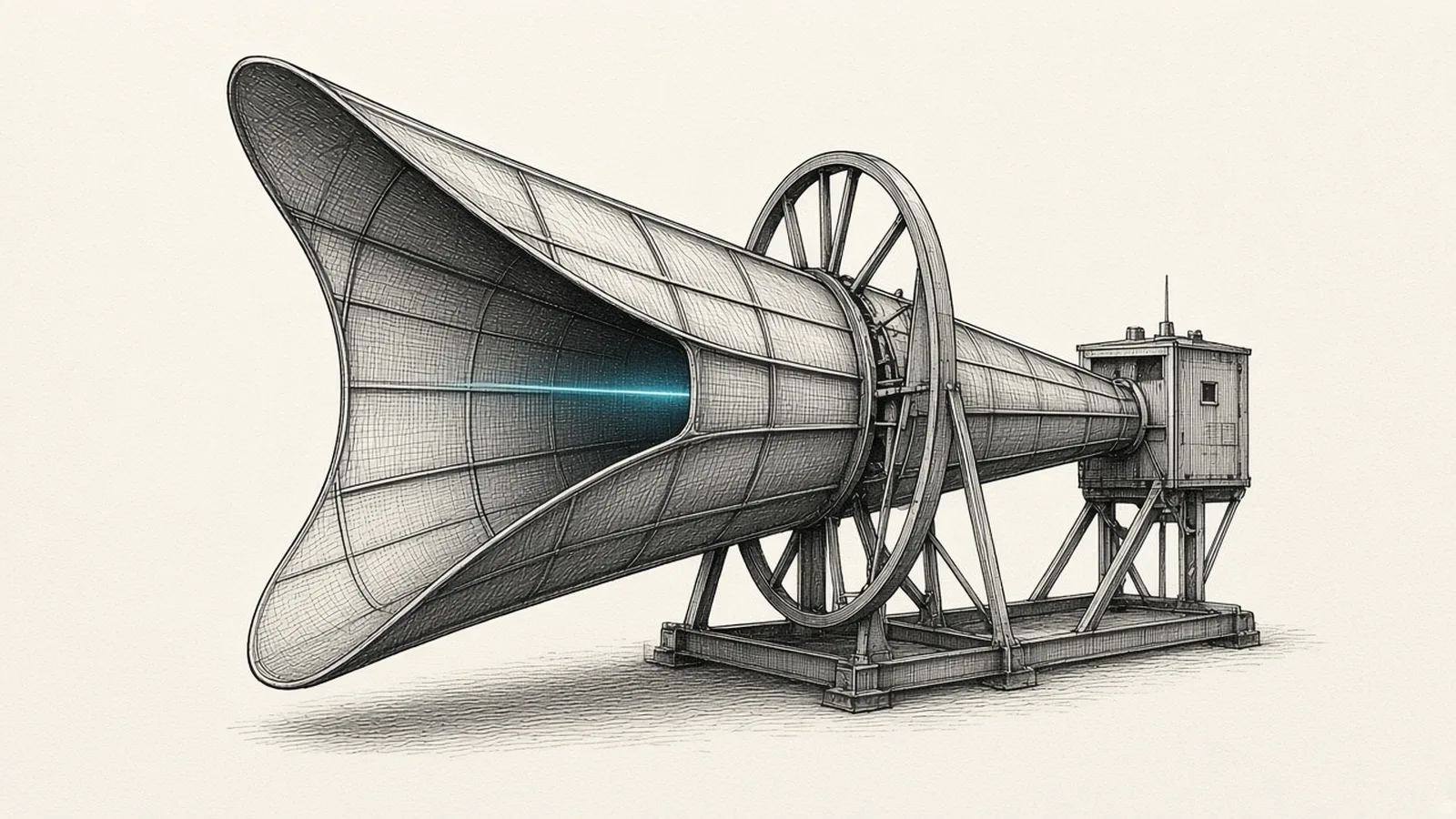
- The Noise That Would Not Go Away: the Holmdel Horn and the Oldest Light In 1964 a Bell Labs antenna picked up a hiss that would not disappear, even after the pigeons were removed. It was the oldest light in the universe.
- The a That Wasn't an a: Homographs, Punycode and the Fake apple.com In 2017 an address identical to apple.com was written entirely in Cyrillic: on screen we see drawings of letters, not letters.
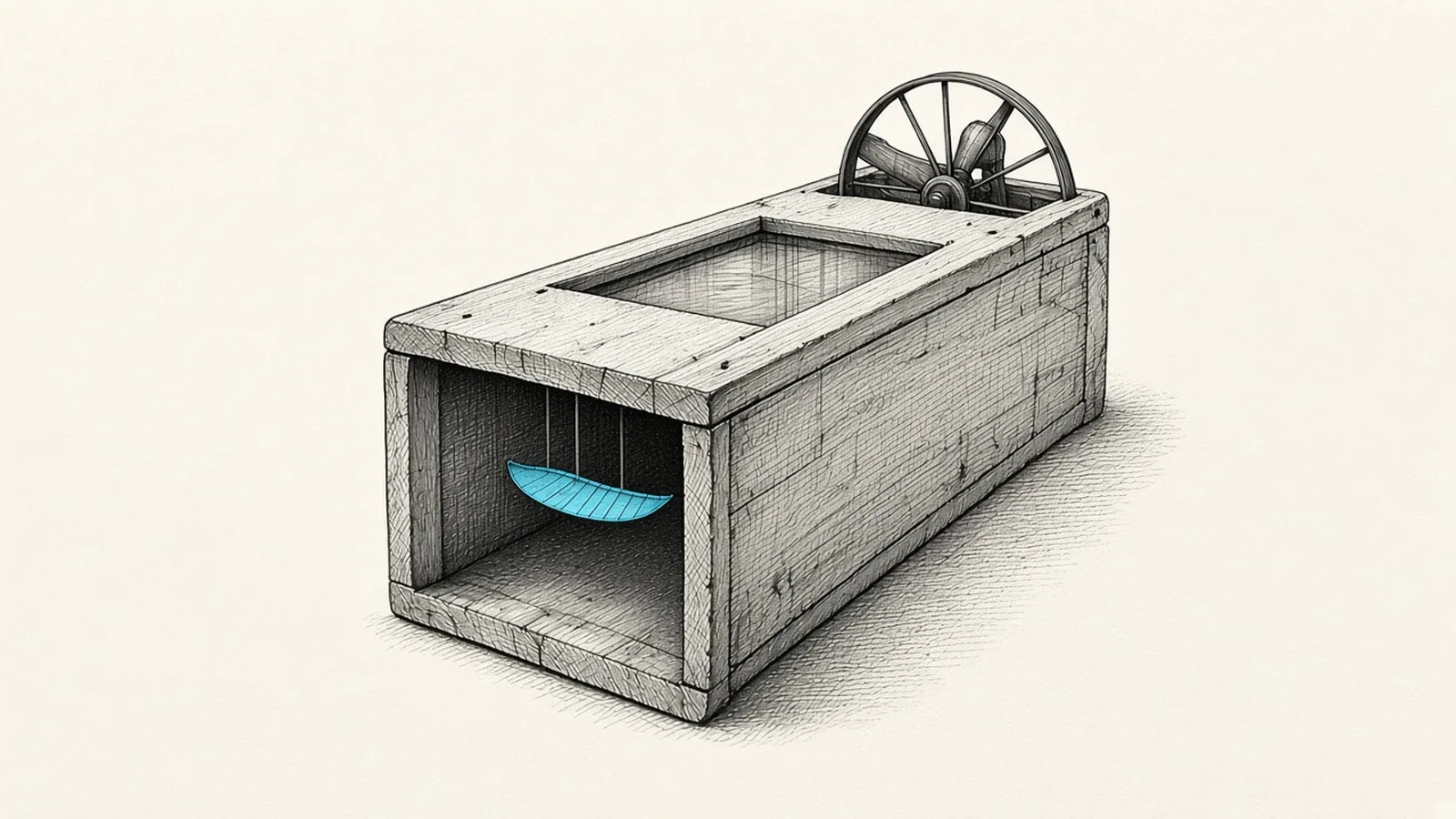
- The Sky in a Box: the Wright Brothers' Wind Tunnel In 1901 the Wrights stopped trusting the tables and built a wooden box with a fan: a piece of sky more reliable than the books.
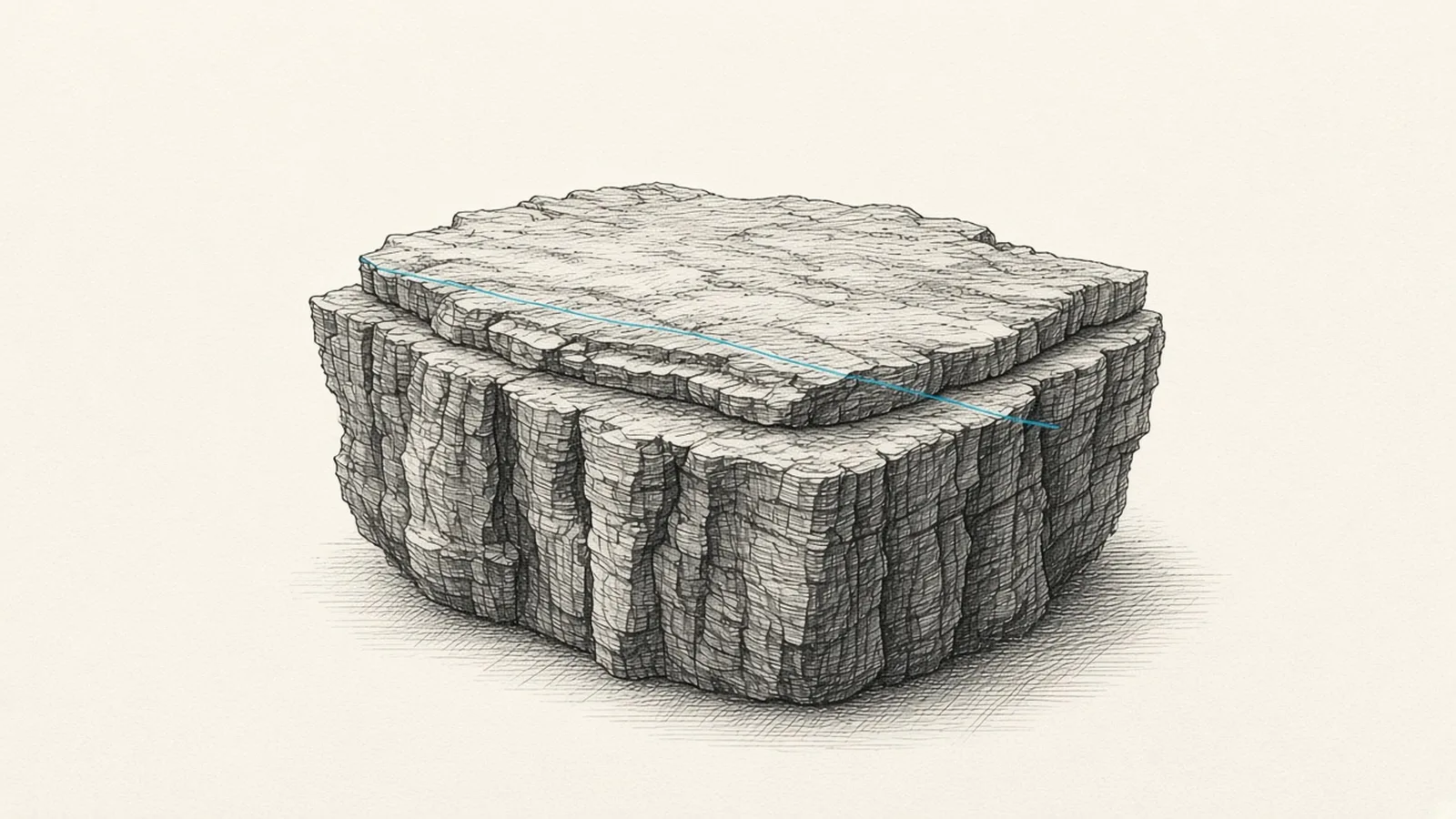
- The Abyss of Time: Hutton at Siccar Point and the Line Between Two Rocks In 1788 James Hutton found two rocks on a Scottish cliff that met in the wrong way. In that line, 65 million years are missing.
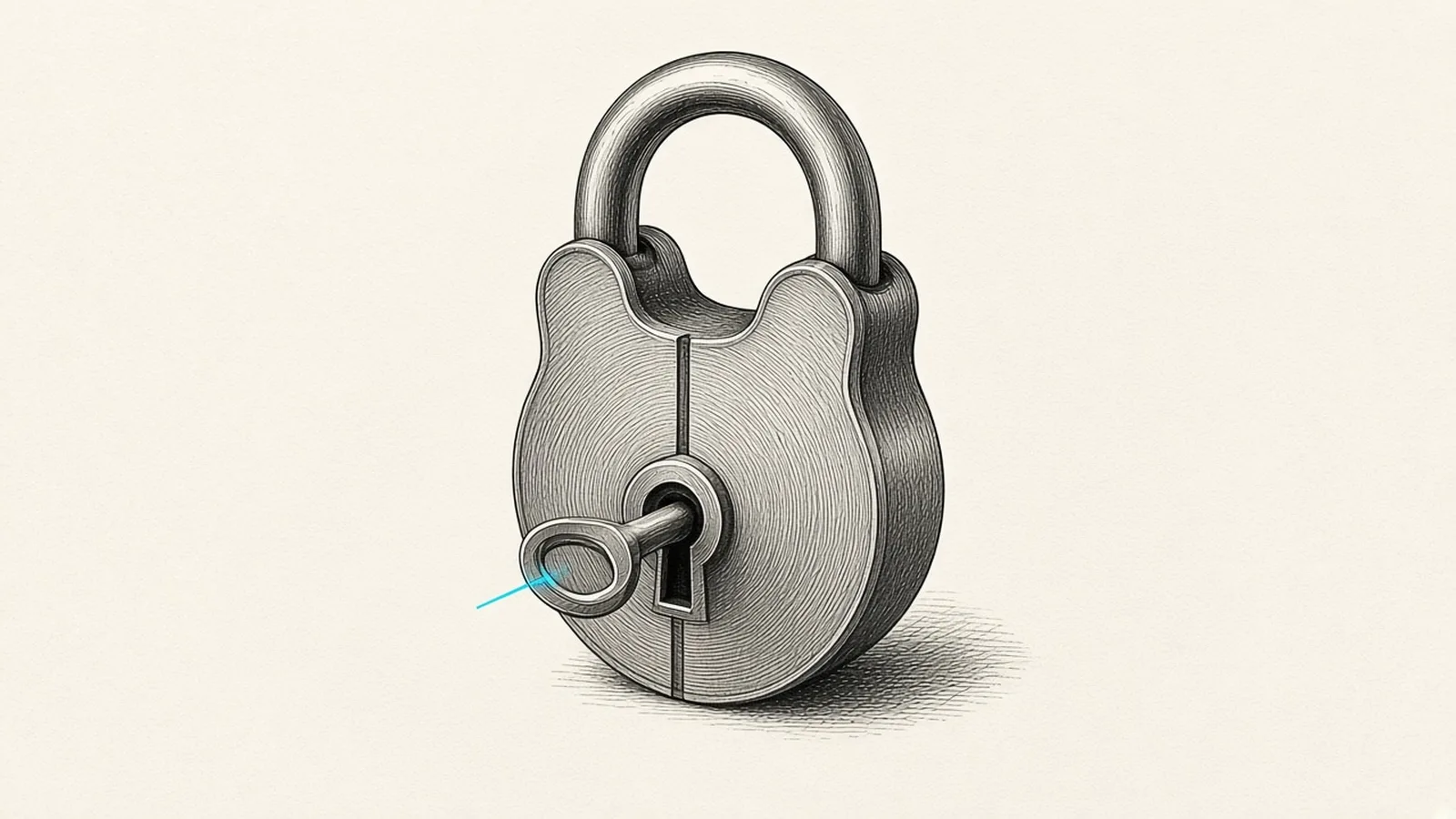
- The Lock in the Window: Bramah, Hobbs and the Secret that Should Not Be One For sixty years a Bramah lock challenged London from a shop window. In 1851 Hobbs opened it, and security learned to hold even when it is known.
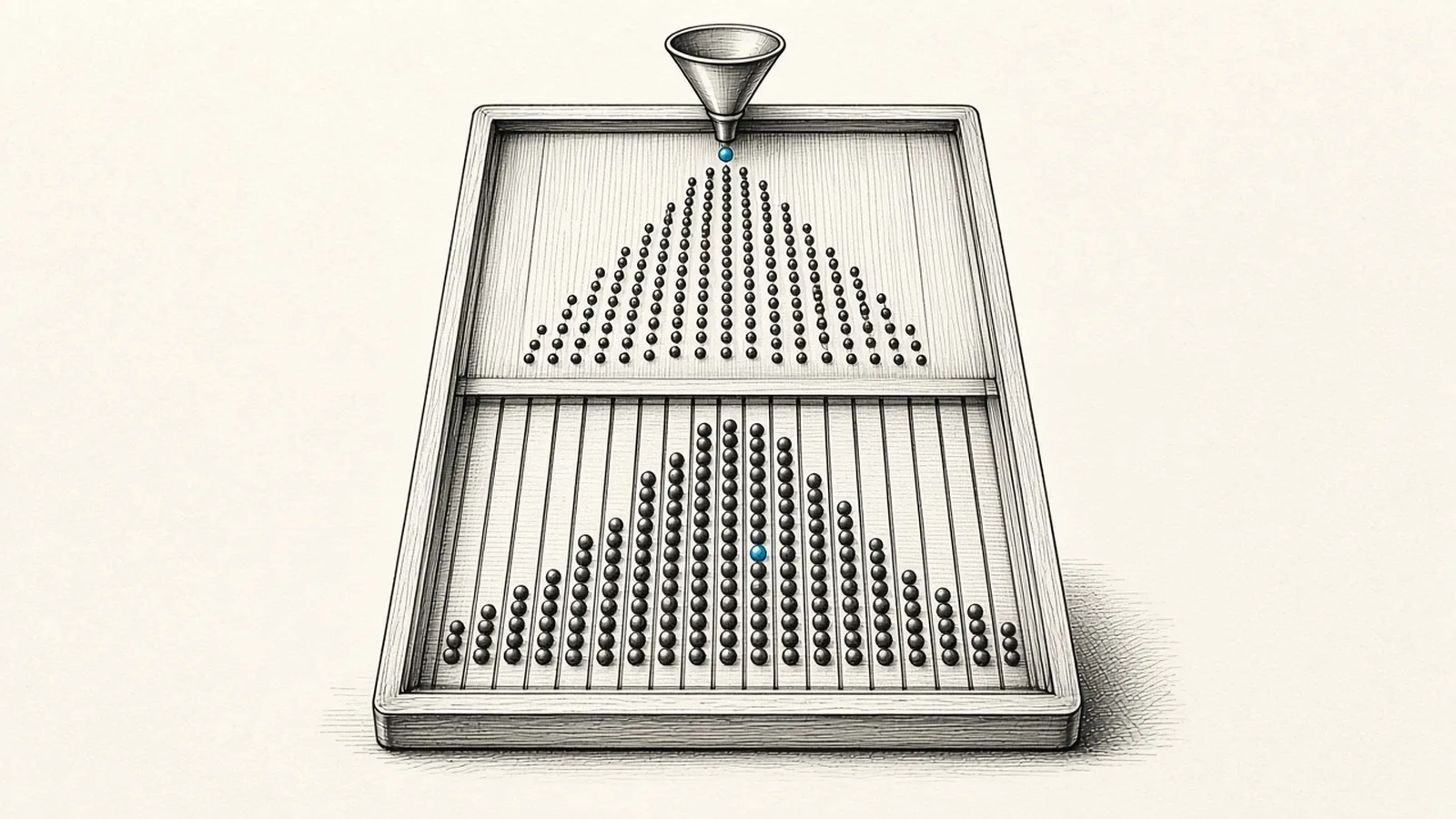
- The Box of Pins: the Galton Board and the Order Born of Chance In 1874 Francis Galton showed a box of pins and balls: every fall is unpredictable, yet the sum always draws the same bell.
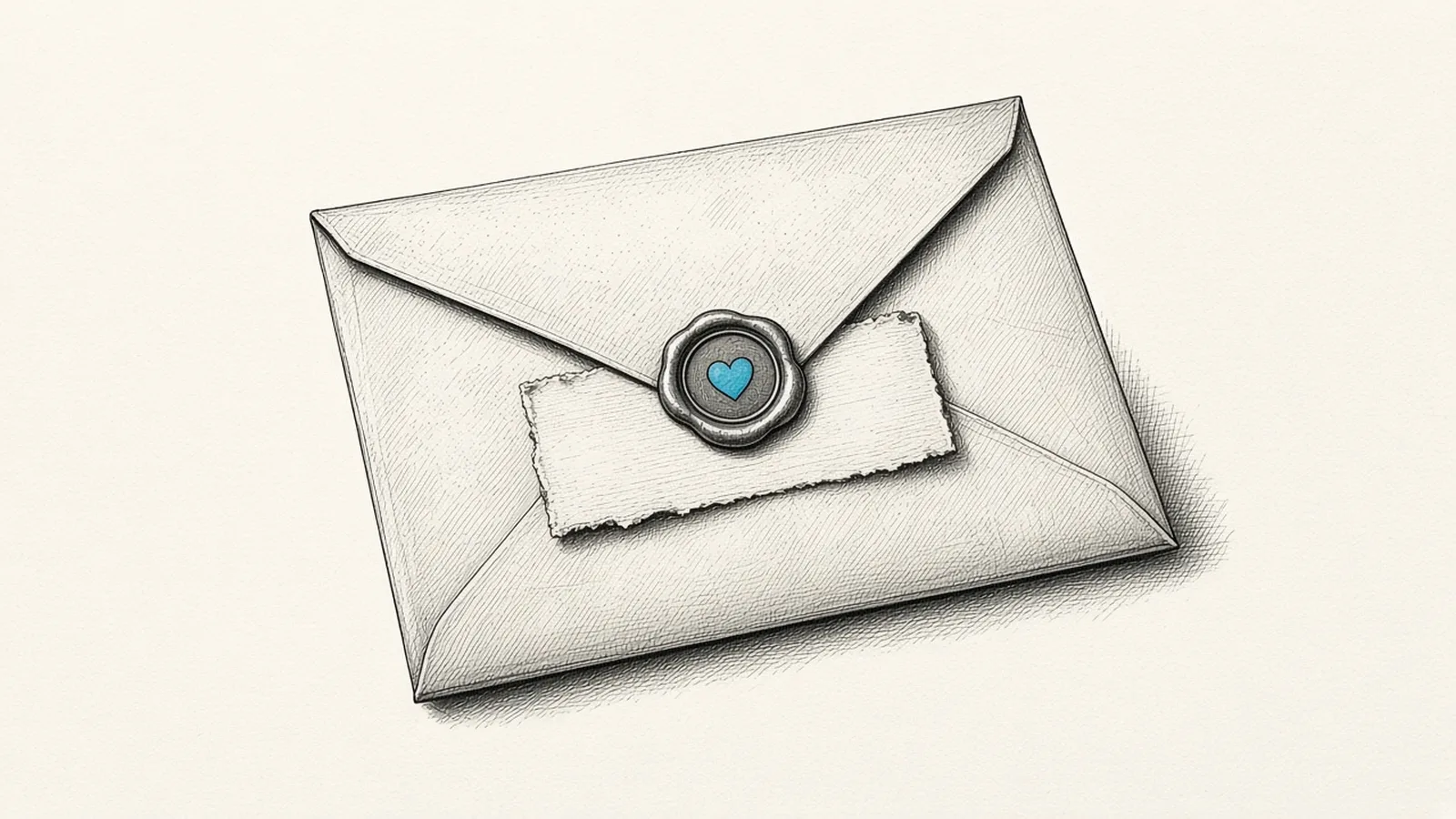
- The Love Letter with a Hidden Tail: ILOVEYOU and the Extension Nobody Saw On 4 May 2000 a love letter attachment was really a script: all it took was Windows hiding the last extension.
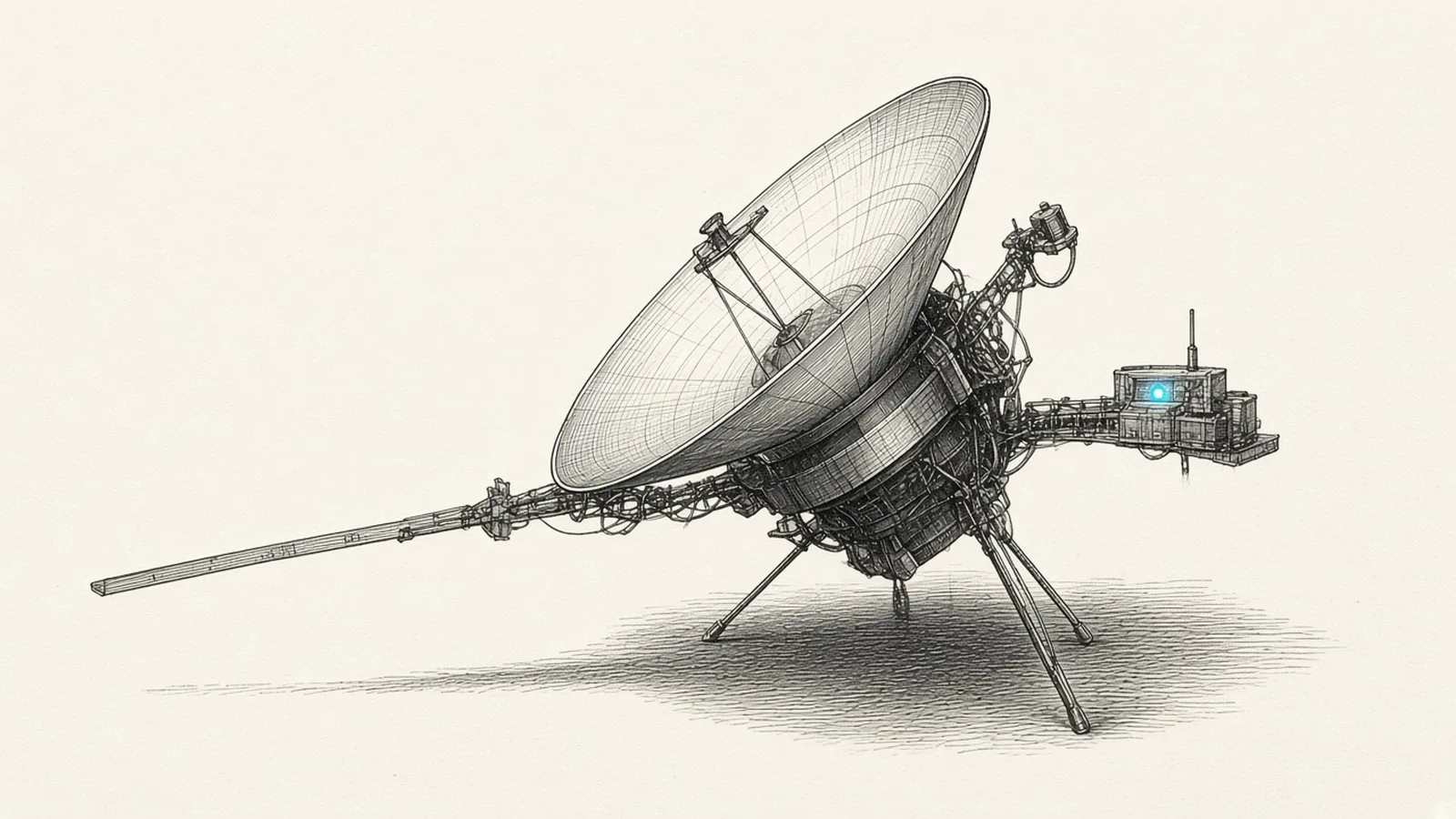
- Less Than a Pixel: Earth Seen by Voyager 1 On 14 February 1990 Voyager 1 looked back: Earth was 0.12 pixel inside a ray of scattered light. A measure of cosmic scale.
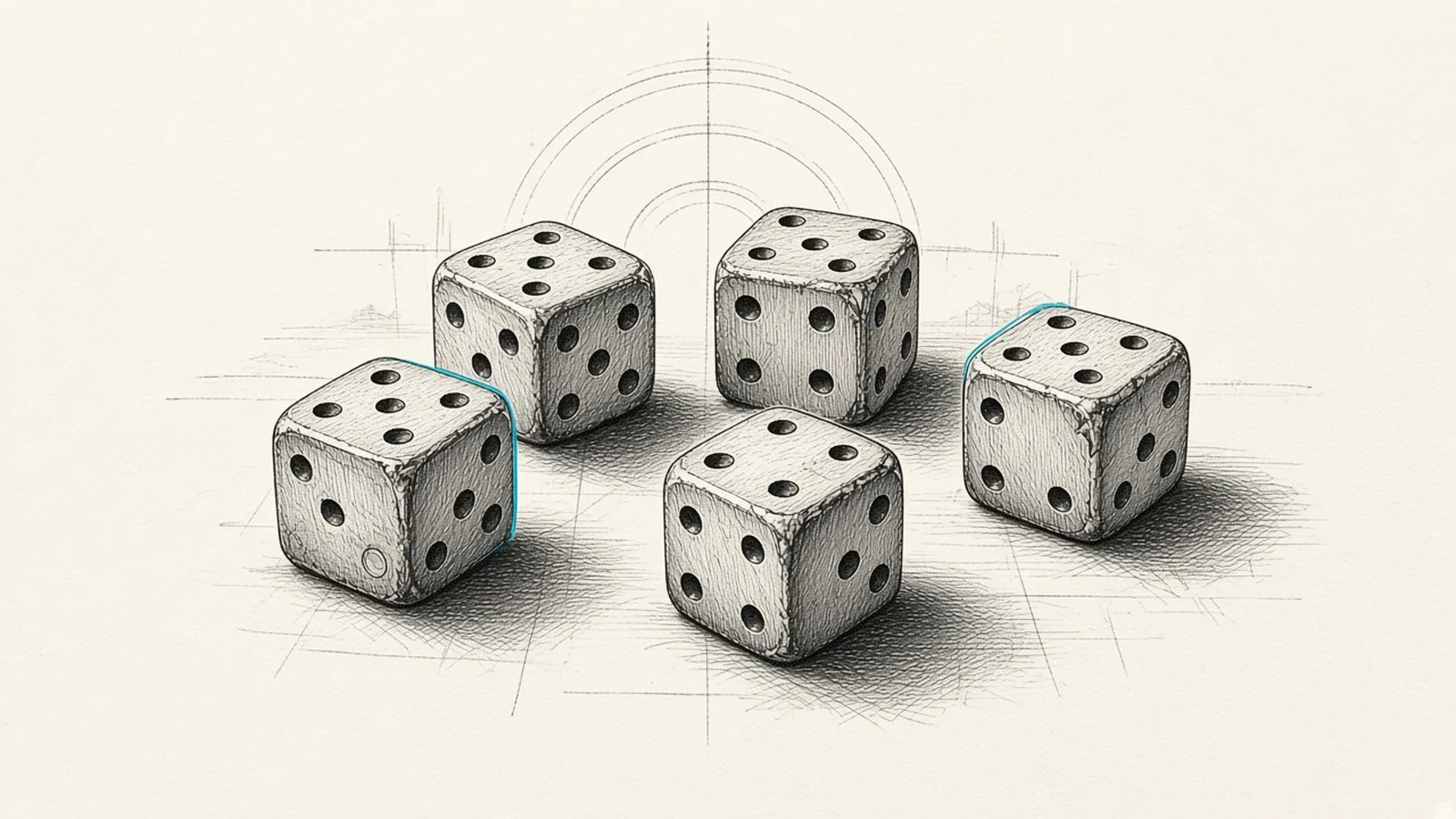
- Five Dice in a Shoe Box: Diceware and the Password That Doesn't Resemble Us In 1995 Arnold Reinhold proposed choosing passphrases with five dice and a list of 7,776 words. Thirty years on, even NIST agrees with him.
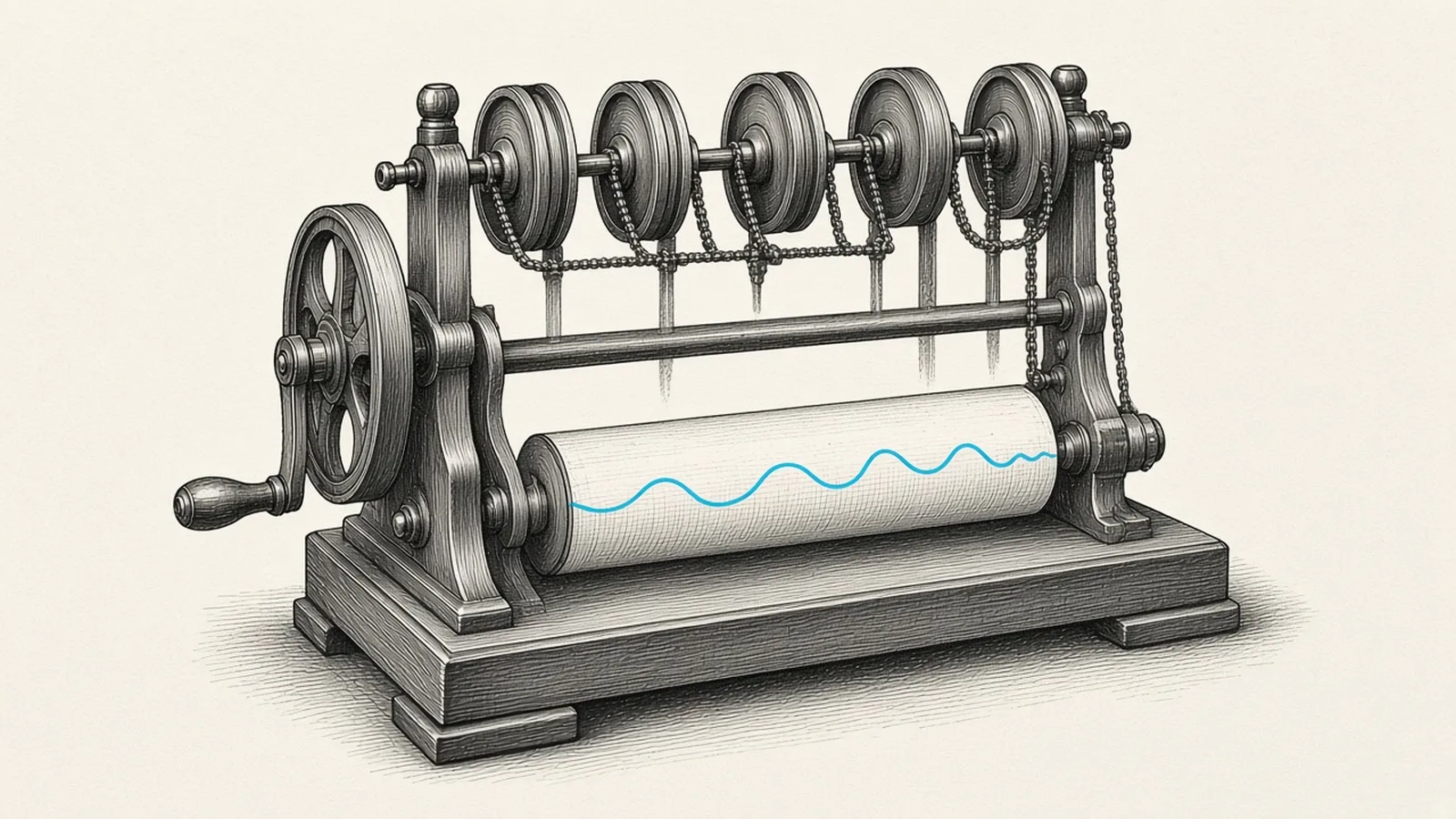
- The Tide Machine: Kelvin and a Sea Made of Pulleys In 1872 William Thomson built a brass machine that added up waves with a cord and drew a year of tides at the turn of a crank.
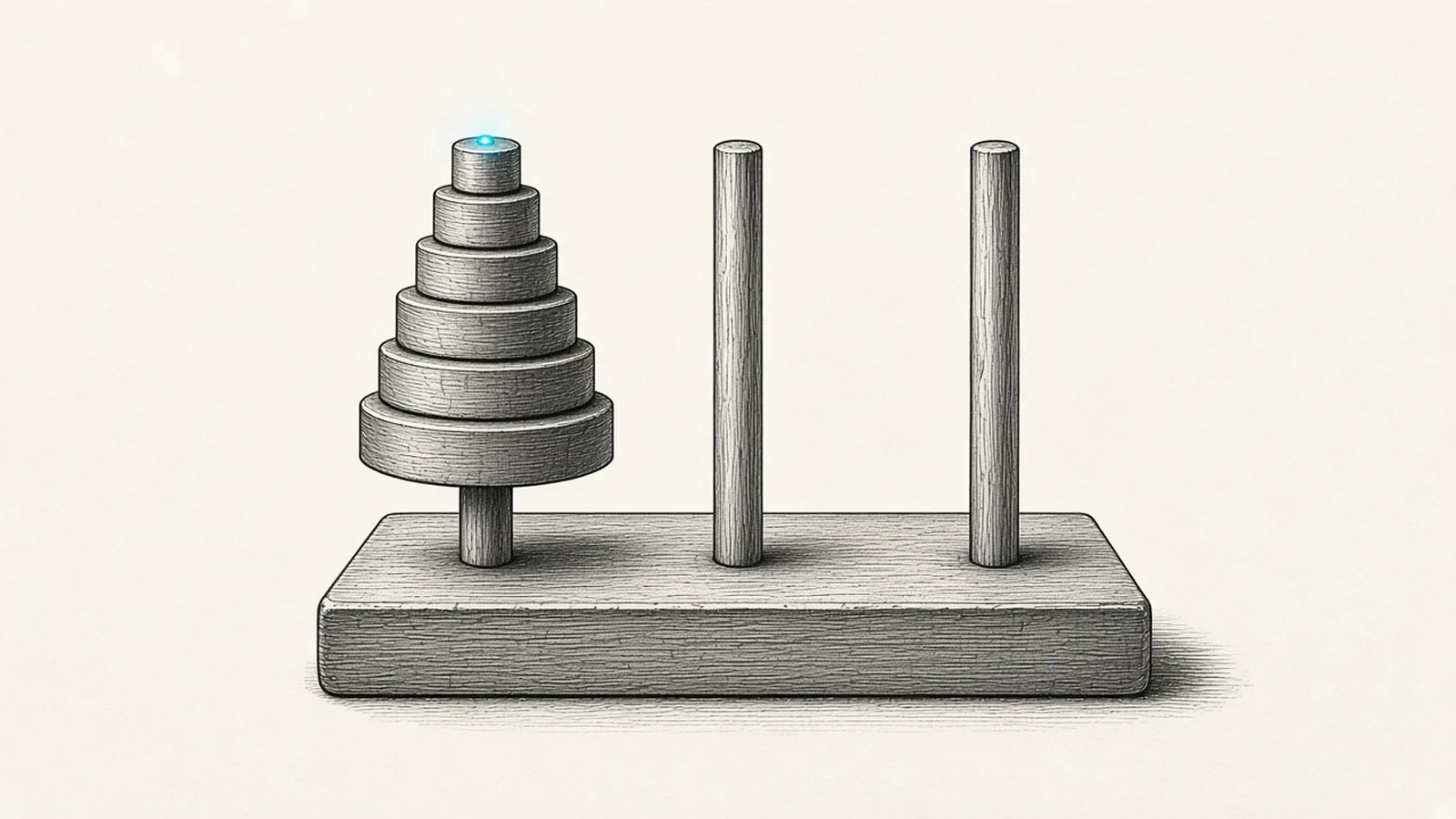
- Three Pegs and One Rule: the Tower of Hanoi as Procedure In 1883 Édouard Lucas sold three pegs and a stack of disks. Three rules, 2ⁿ − 1 moves: recursion taught with a piece of wood.
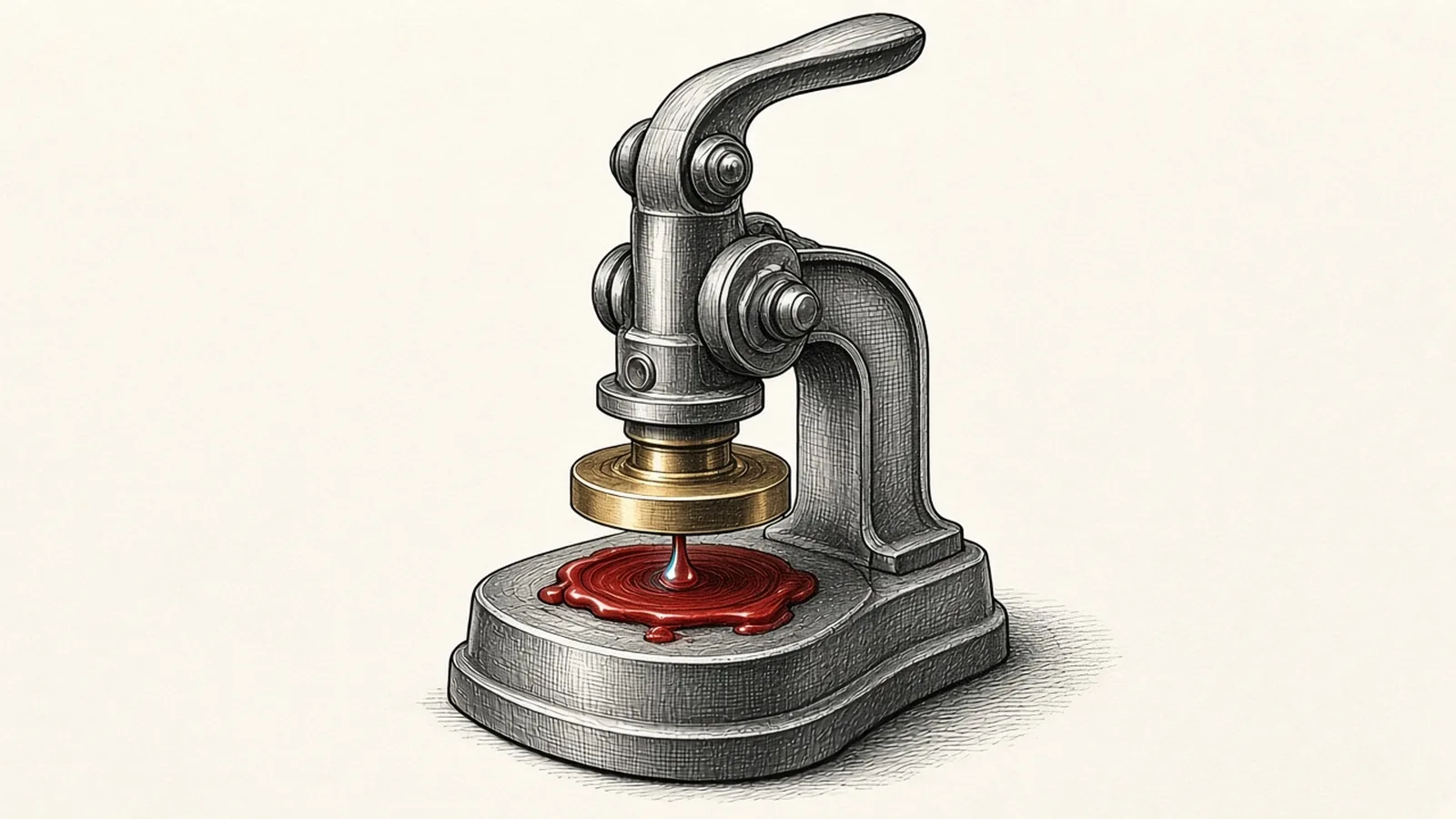
- The HTTP Seal: the Line that Decides Who Enters the Page In 2011 Mozilla shipped a new header line: X-Content-Security-Policy. A list written on the page's threshold, not a firewall.
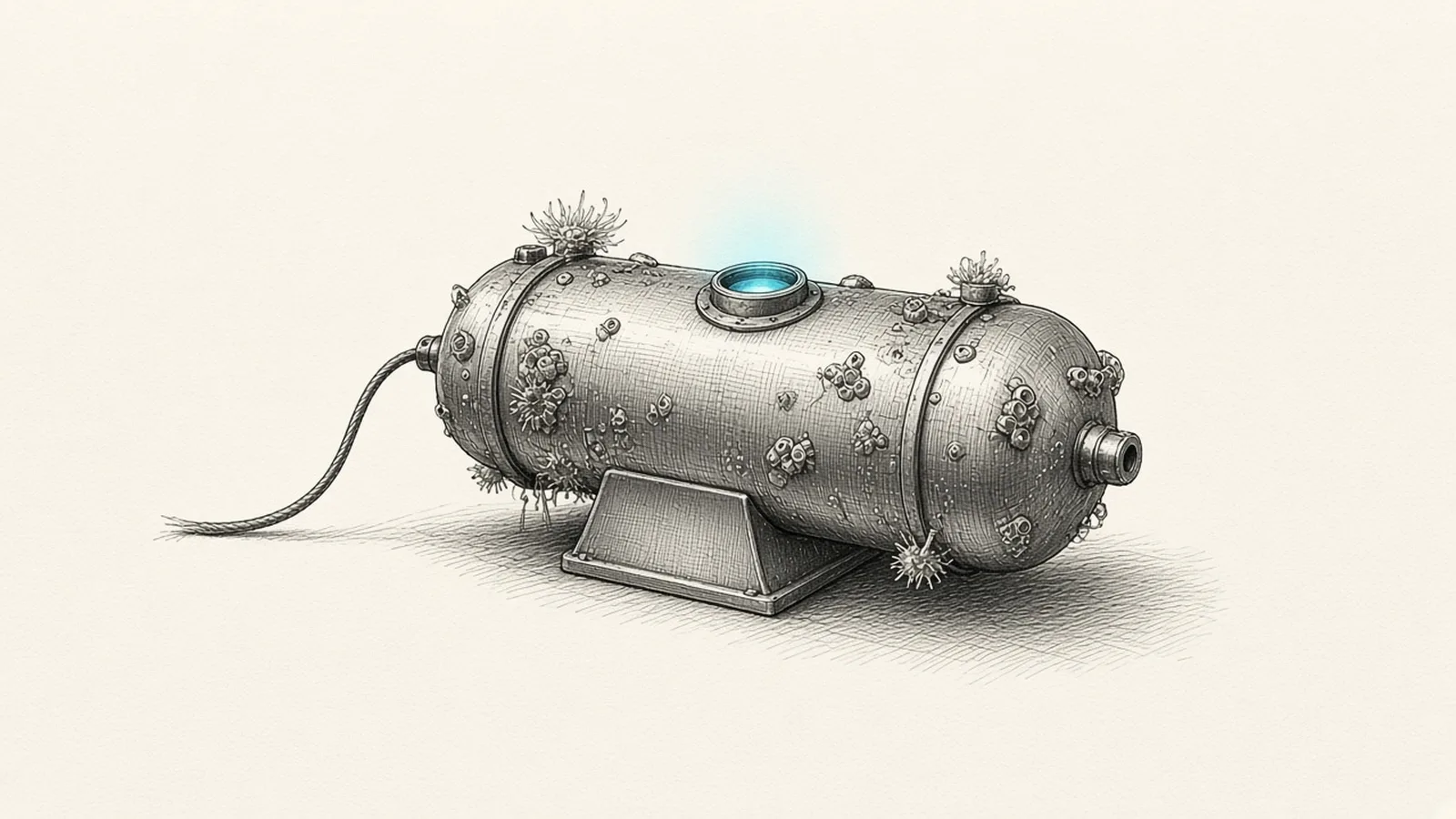
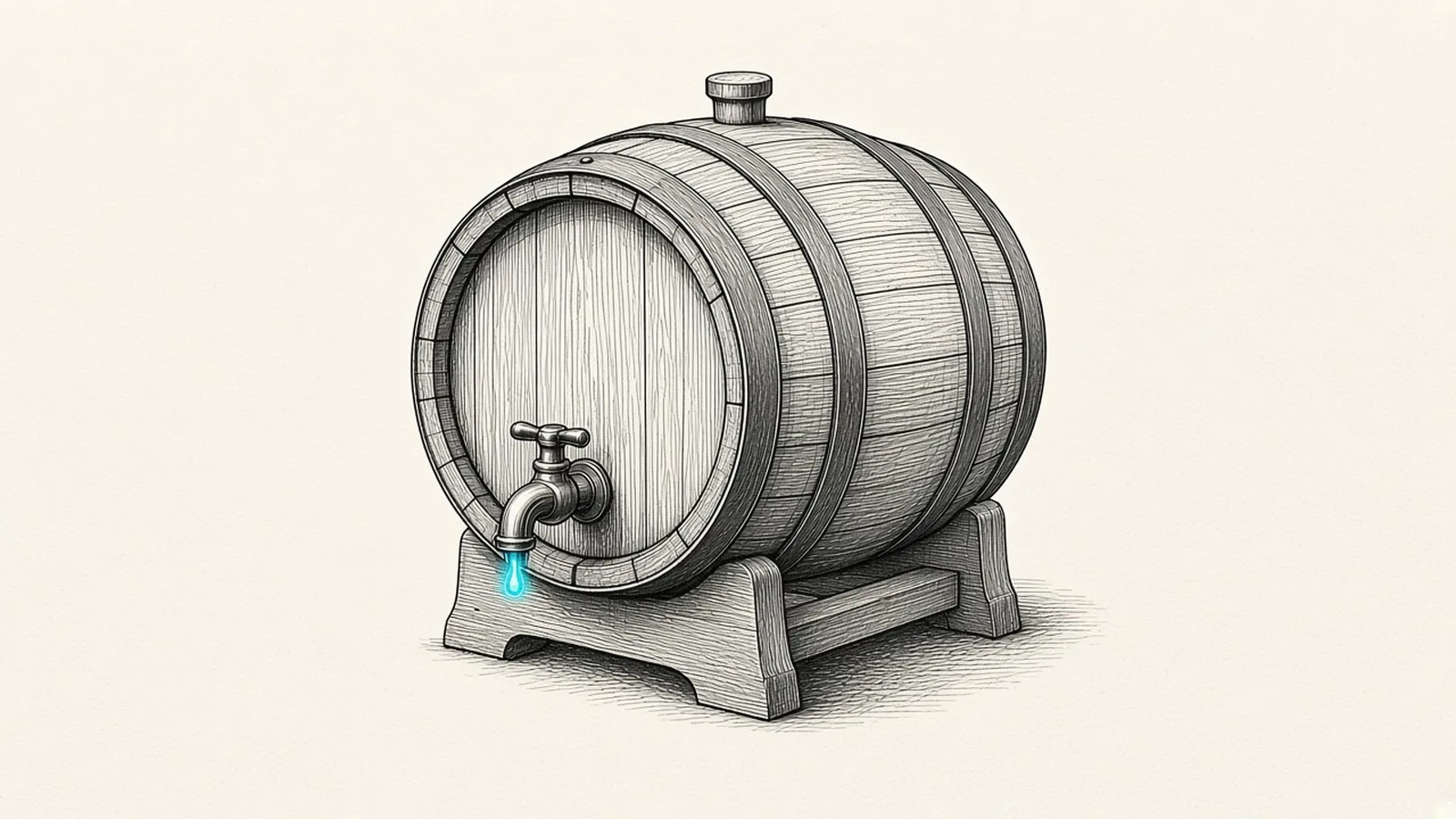
- The Cloud on the Seabed: the Orkney Cylinder and Its 864 Servers In 2018 Microsoft lowered a sealed cylinder holding 864 servers to the seabed off Orkney. For two years the cloud was a building underwater.
- Rømer's Eleven Minutes: The Moon of Jupiter That Arrived Late In 1676 Ole Rømer noticed that Io's eclipses came late when the Earth moved away from Jupiter. Light had a speed.
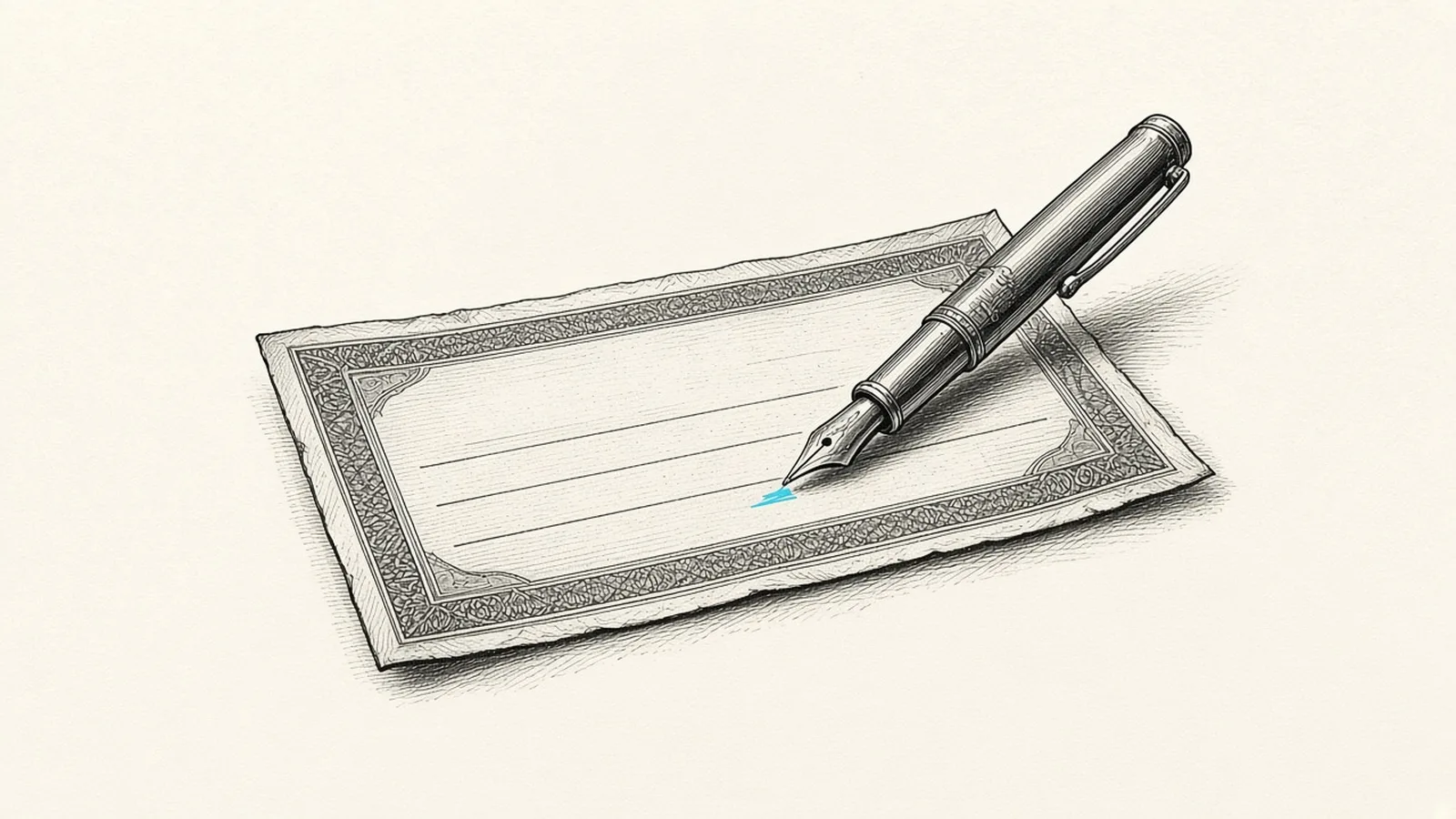
- The $2.56 Cheque: Donald Knuth and the Reward for Finding the Error Since 1968 Donald Knuth has paid $2.56, one hexadecimal dollar, to whoever finds an error in his books. Cheques framed and never cashed.
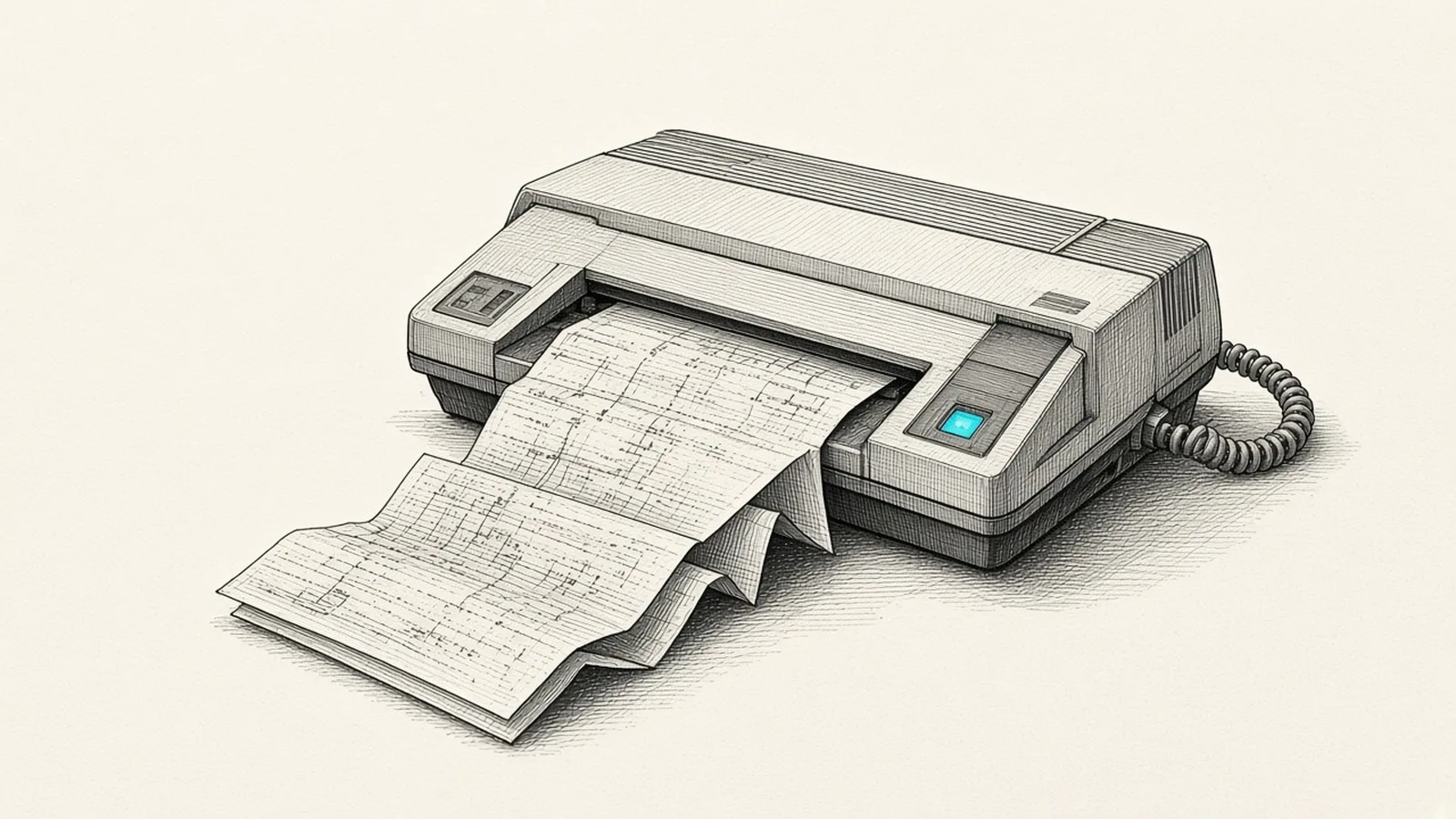
- Cliff Stoll's Seventy-Five Cents: the Printer That Listened to the Intruder In 1986 a 75-cent accounting error led Cliff Stoll to wire printers to his lab's lines and follow an intruder all the way to Hanover.
OCTOBER 2026 19
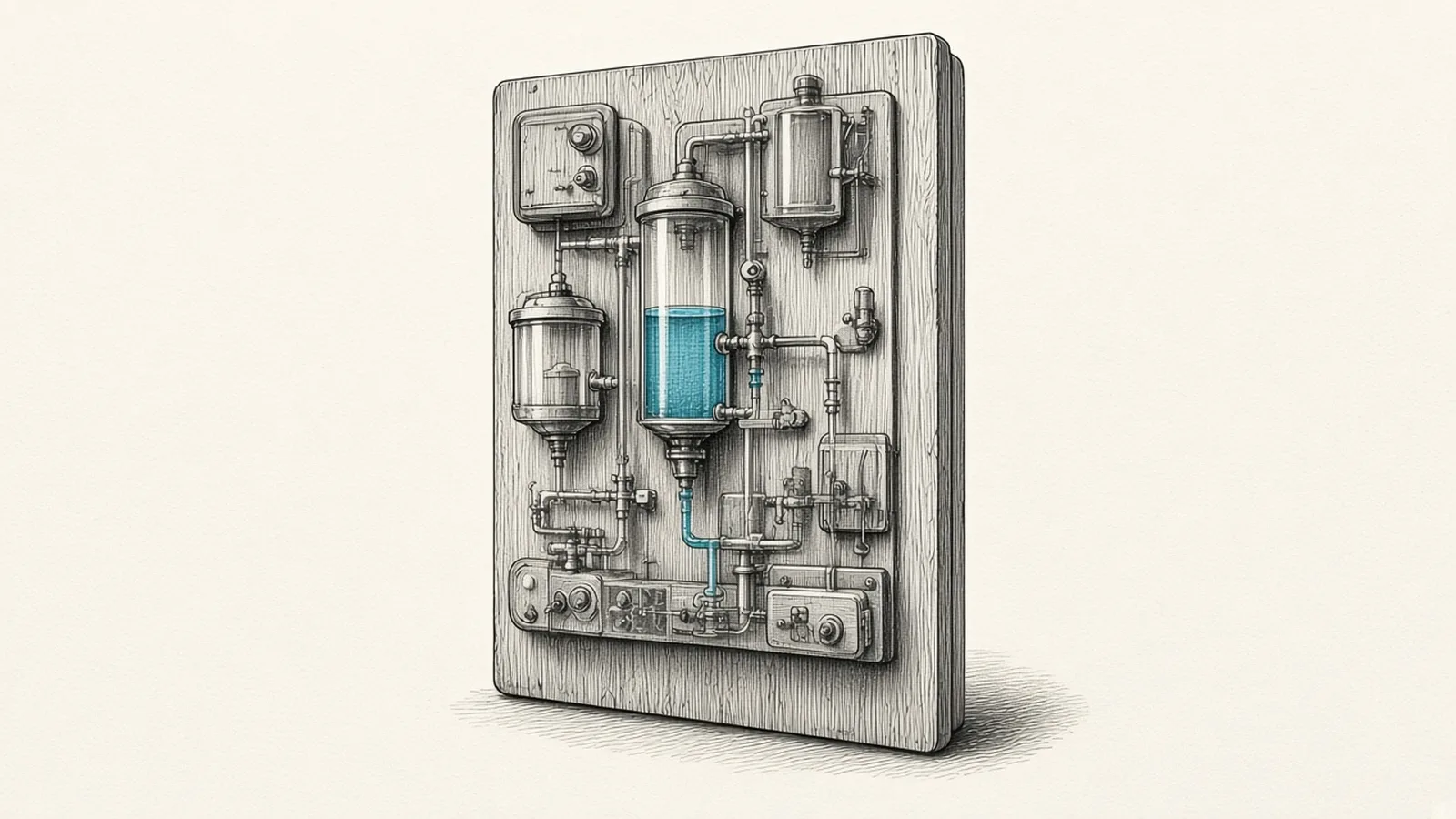
- The Economy Made of Water: Bill Phillips's MONIAC In 1949 Bill Phillips built a hydraulic machine at the LSE that simulated the British economy by running coloured water in place of money.
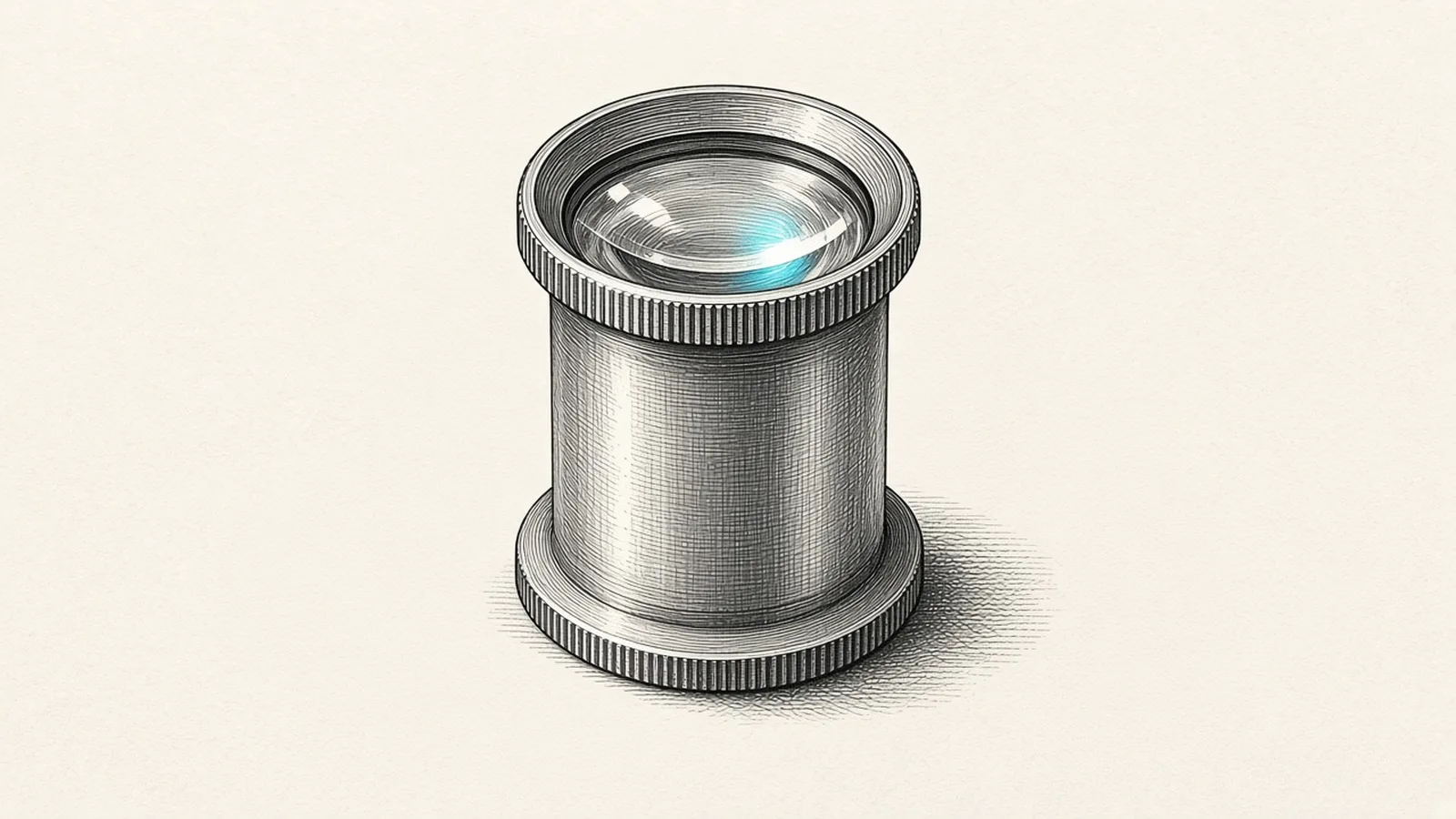
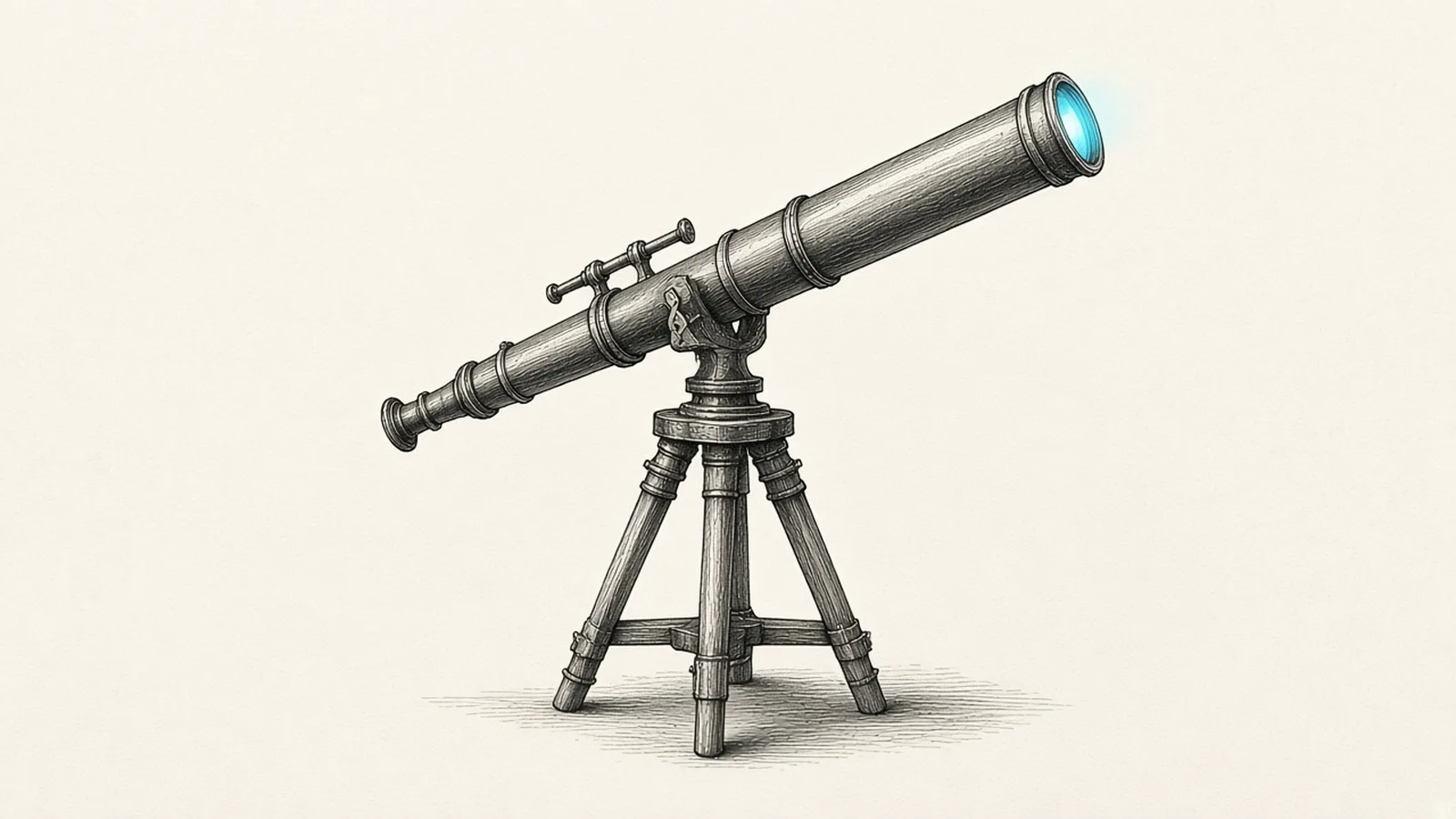
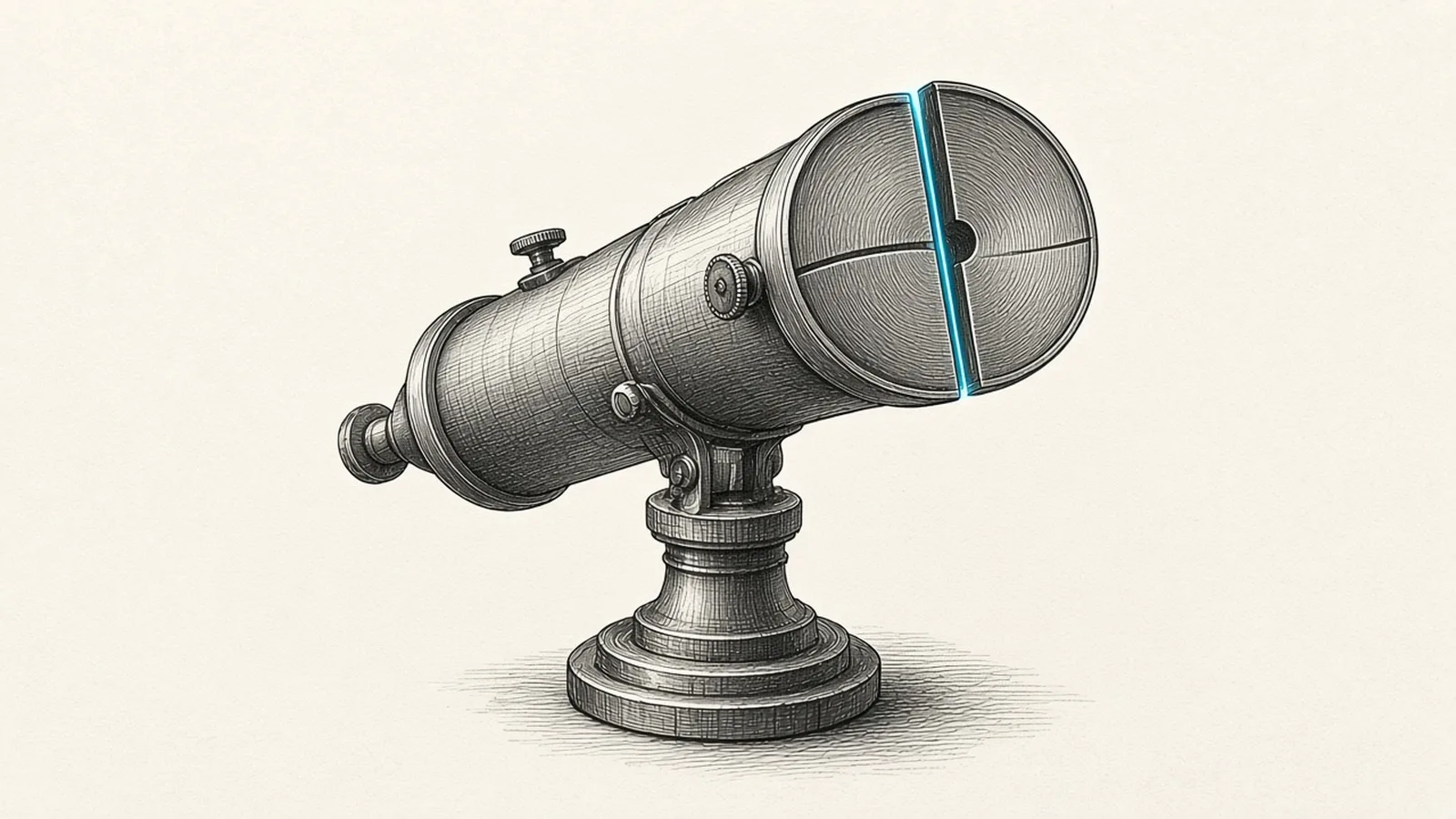
- The Lens Cut in Two: Bessel and the First Distance to a Star In 1838 Bessel was the first to measure the distance to a star, 61 Cygni, with a Fraunhofer telescope whose lens had been cut in half.
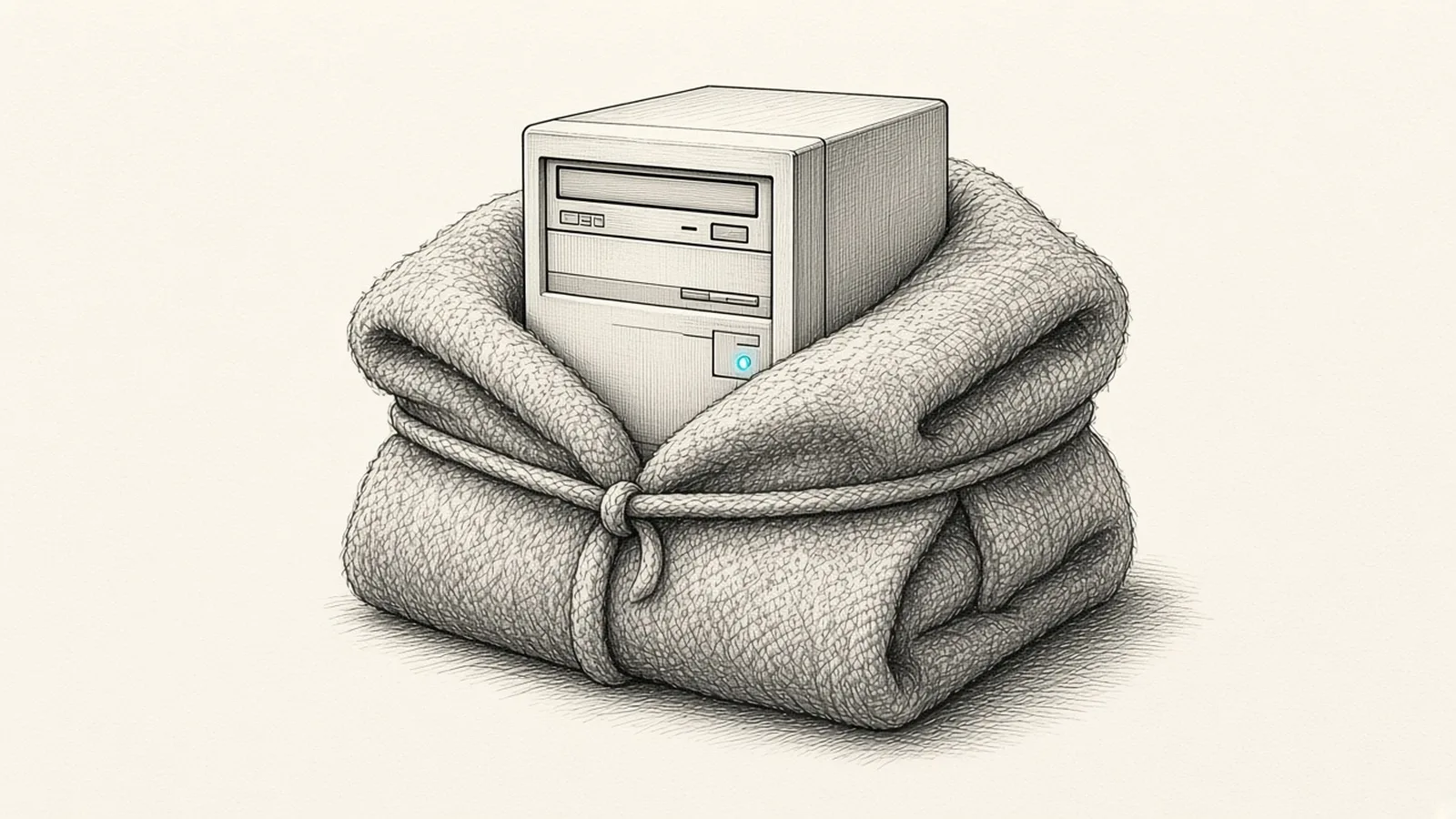
- The Computer in the Blanket: the Copy That Saved Toy Story 2 A command wiped out almost all of Toy Story 2 and the backup was corrupt. A weekly copy on a home computer, wrapped in a blanket, saved it.
- Henrietta Leavitt's Rhythm: the Stars That Measure Distance Comparing photographic plates of the Small Magellanic Cloud, Henrietta Leavitt found that the rhythm of certain stars reveals how far away they are.
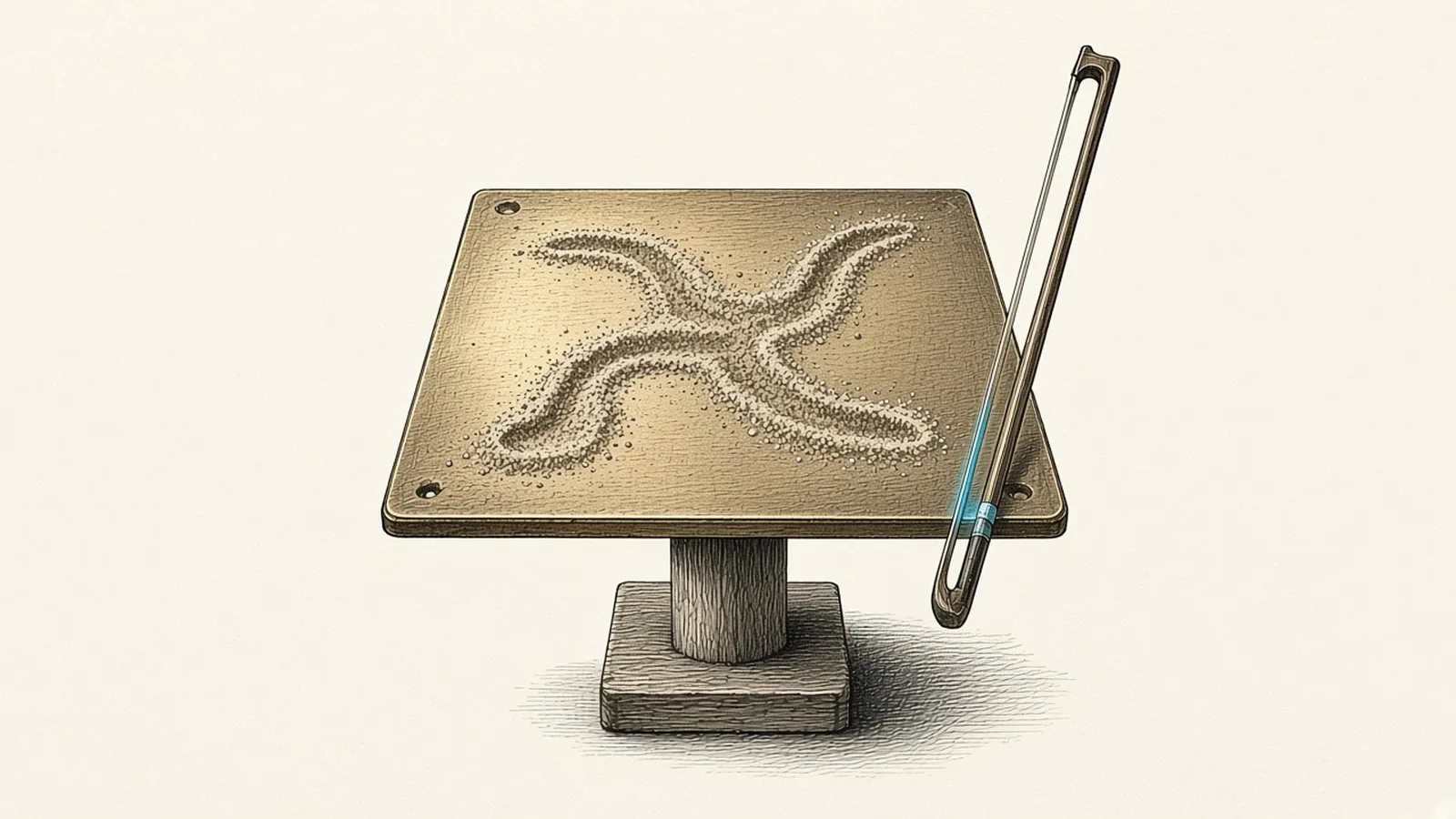
- Chladni's Sand: the Sound That Lets Itself Be Seen In 1787 Chladni sprinkled sand on a brass plate and made it ring with a violin bow. The sand did not draw the sound, but the points where the metal stayed still.
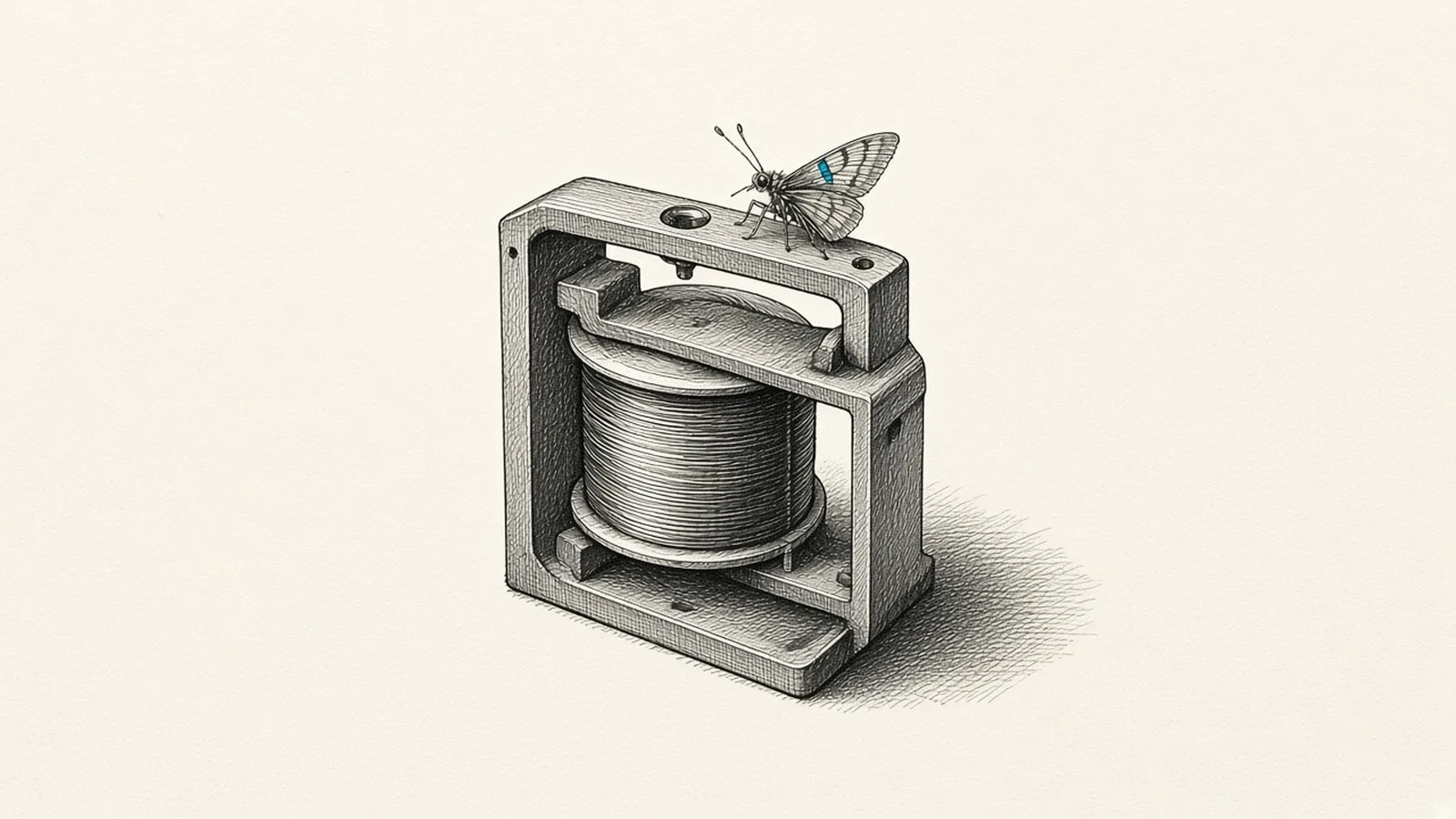
- The Mark II Moth: the Logbook That Corrected Memory In 1947 at Harvard a moth found in a Mark II relay was taped into the logbook. A line written at the moment is worth more than a memory.
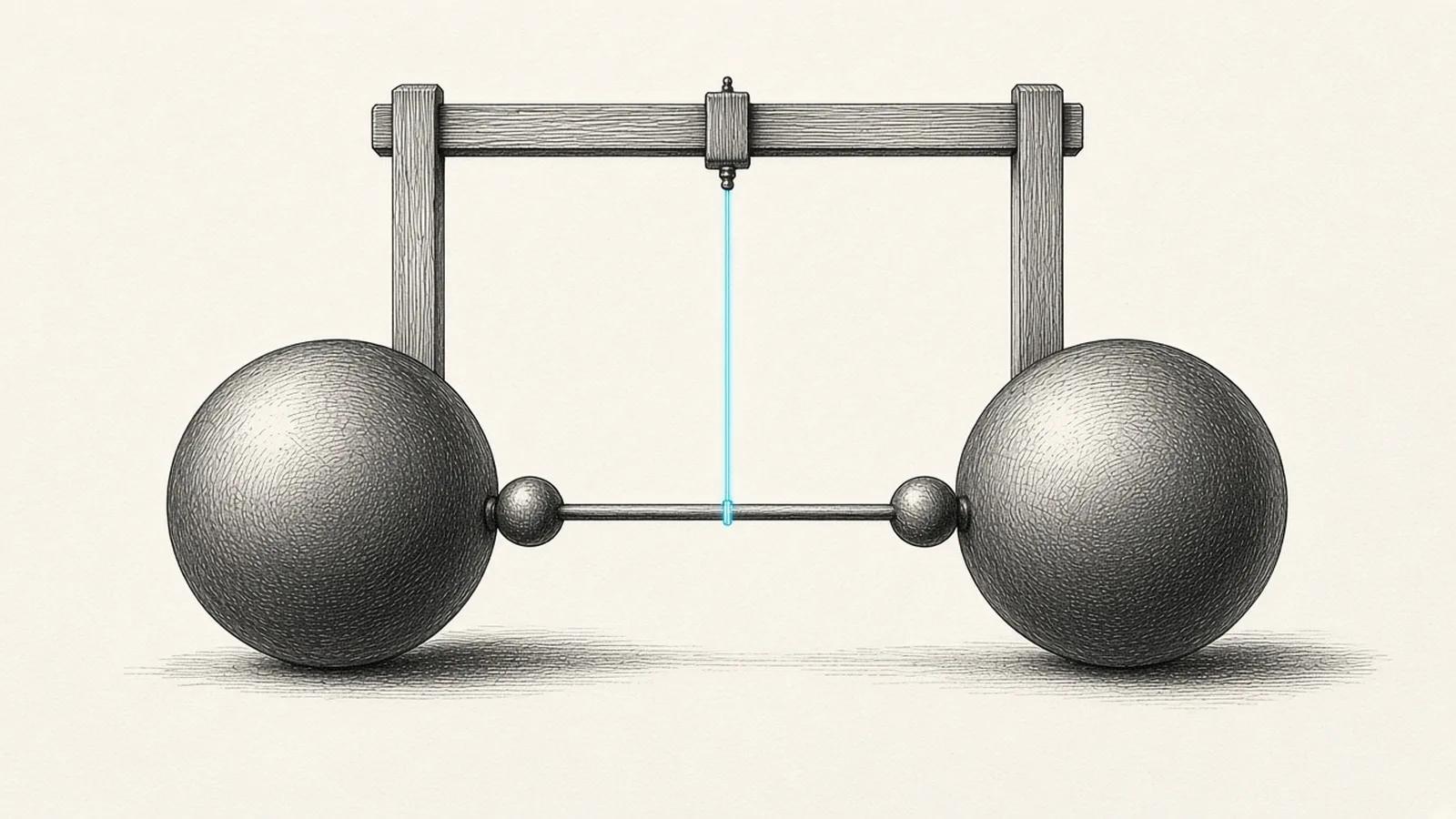
- Cavendish's Closed Room: Weighing the Earth with a Wire In 1798 Henry Cavendish measured the Earth's density with a wooden arm, two lead balls and a wire, watched from outside through a telescope.
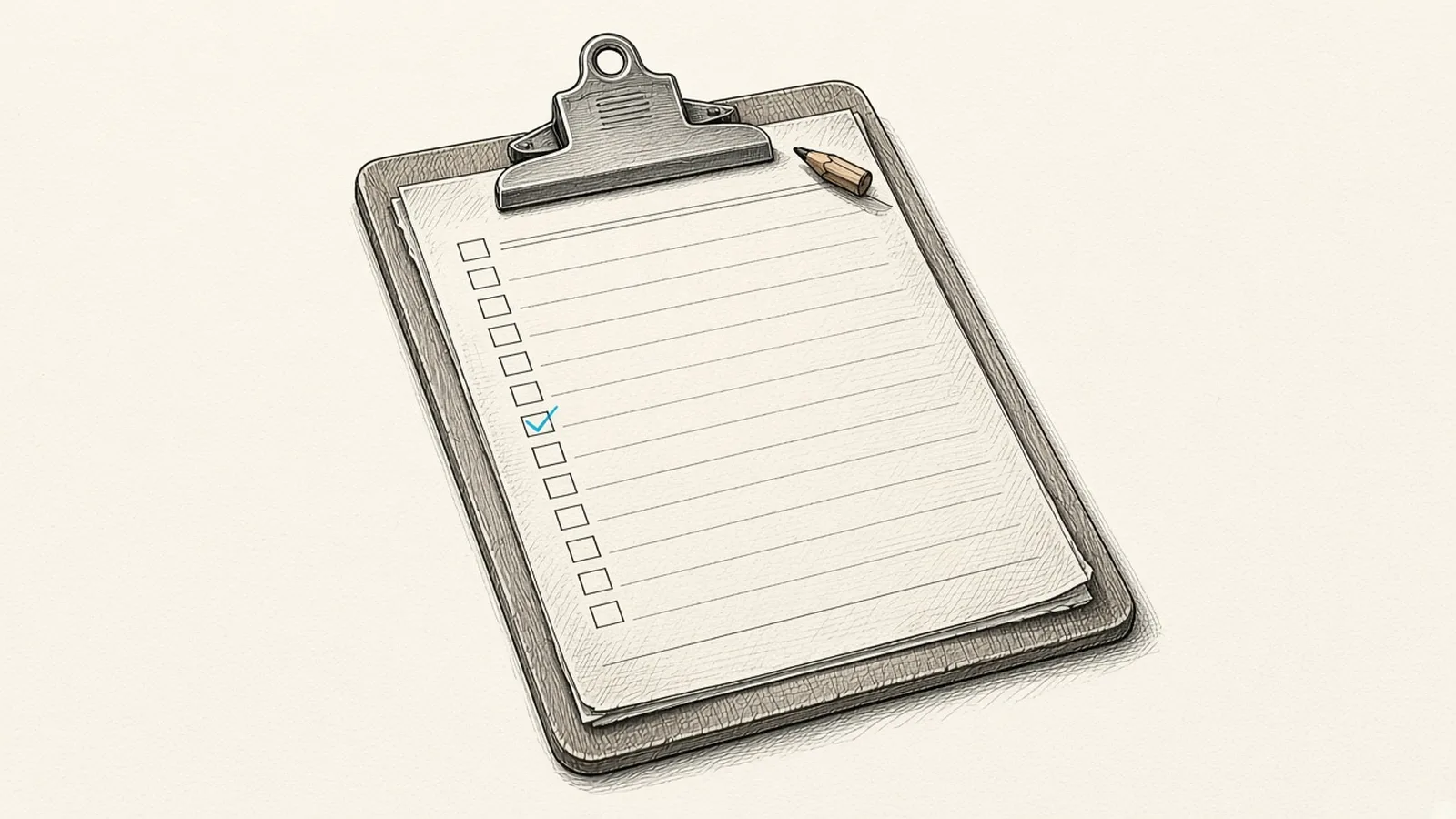
- The Lever Nobody Pulled: the 1935 Flight That Invented the Checklist On 30 October 1935 the B-17 prototype crashed with its tail controls locked. From that lapse of memory came the flight checklist.
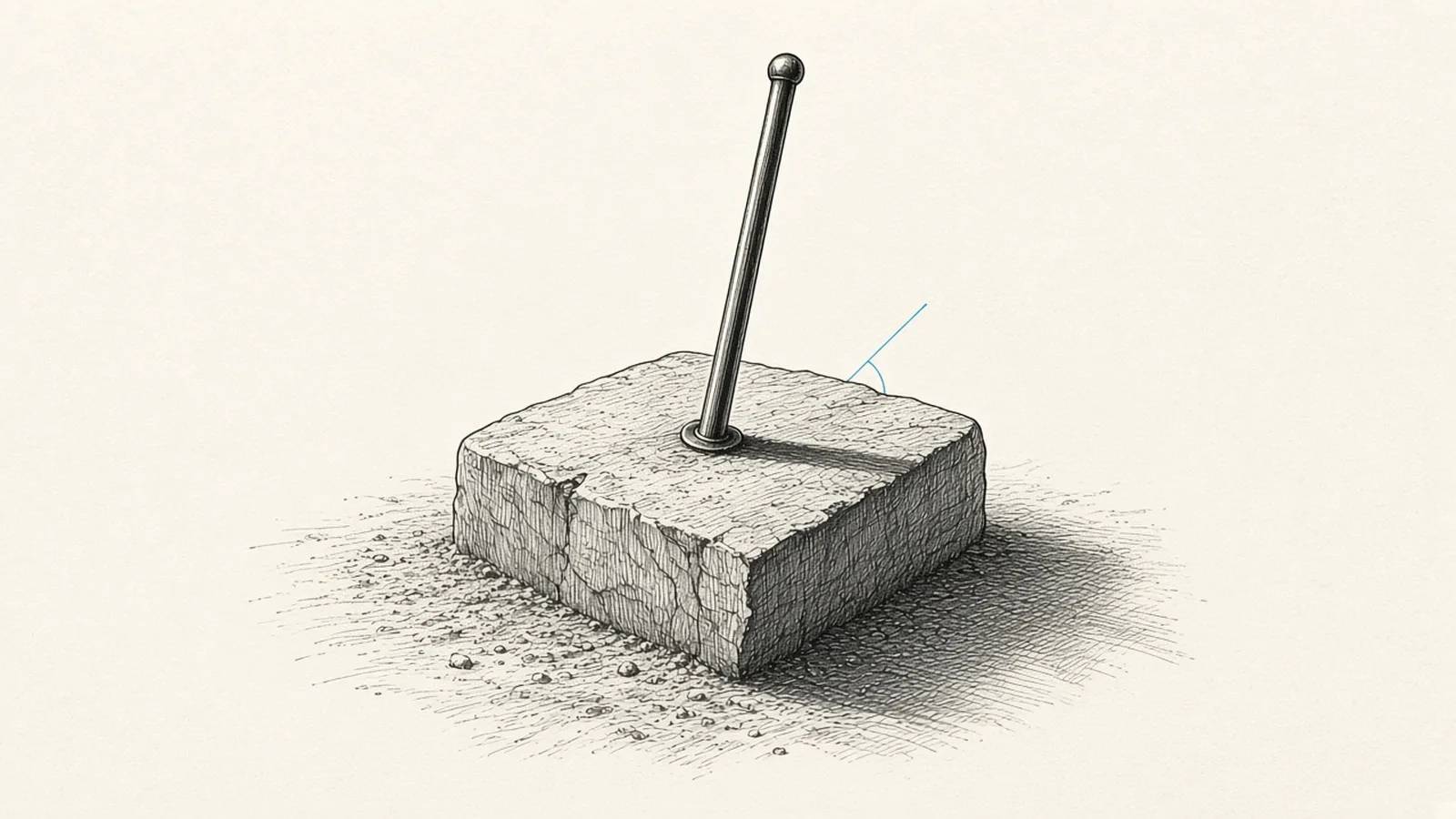
- The Stick of Alexandria: How Eratosthenes Measured the Earth Around 240 BC Eratosthenes measured the Earth's circumference with the shadow of a stick, a well in Syene and men who counted their steps.
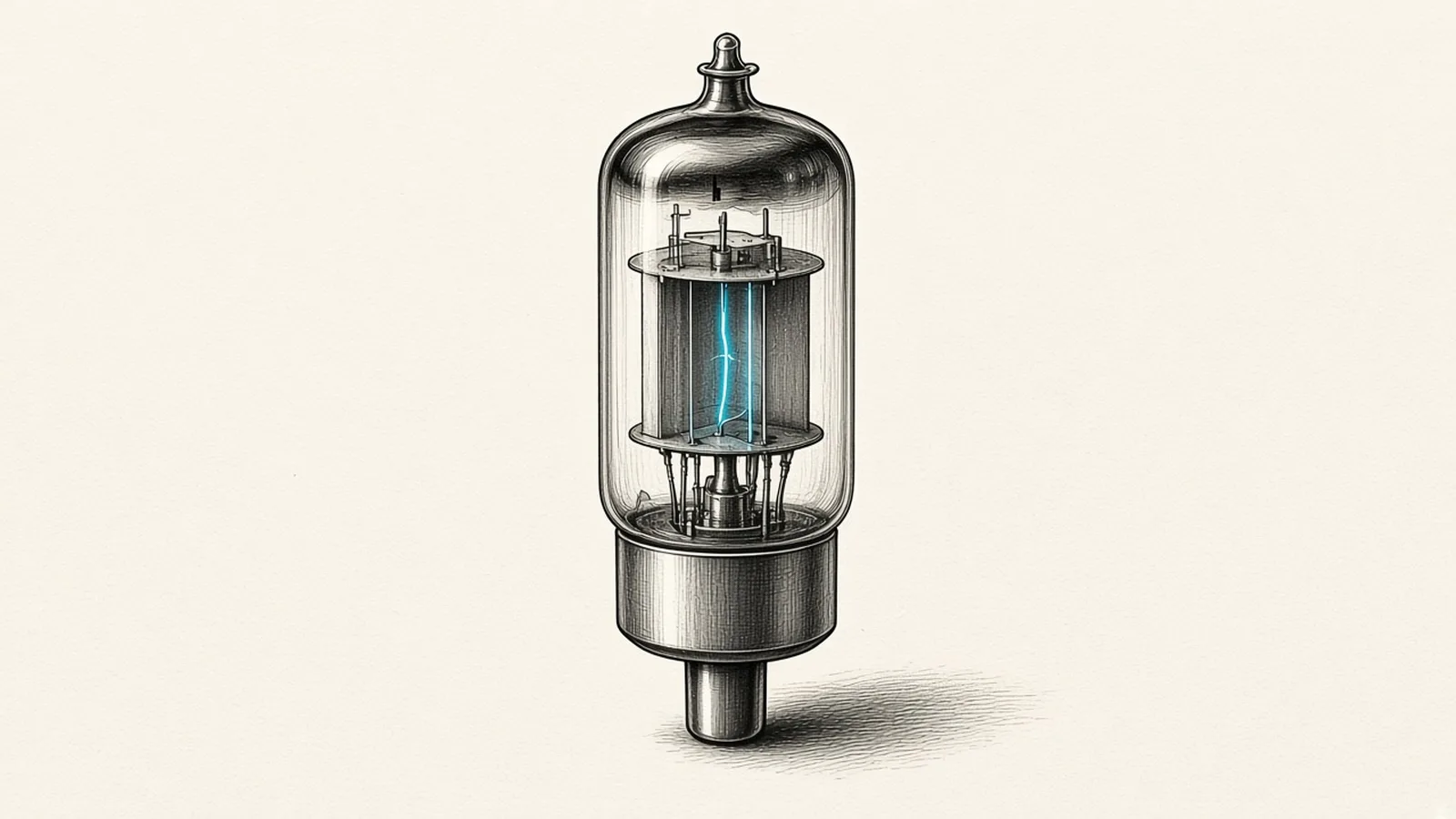
- The Tube That Was Not Broken: Lorenz and the Three Decimals of 1961 In 1961 Edward Lorenz rounded a number from six decimals to three and his weather model changed its sky. It was no fault: it was deterministic chaos.
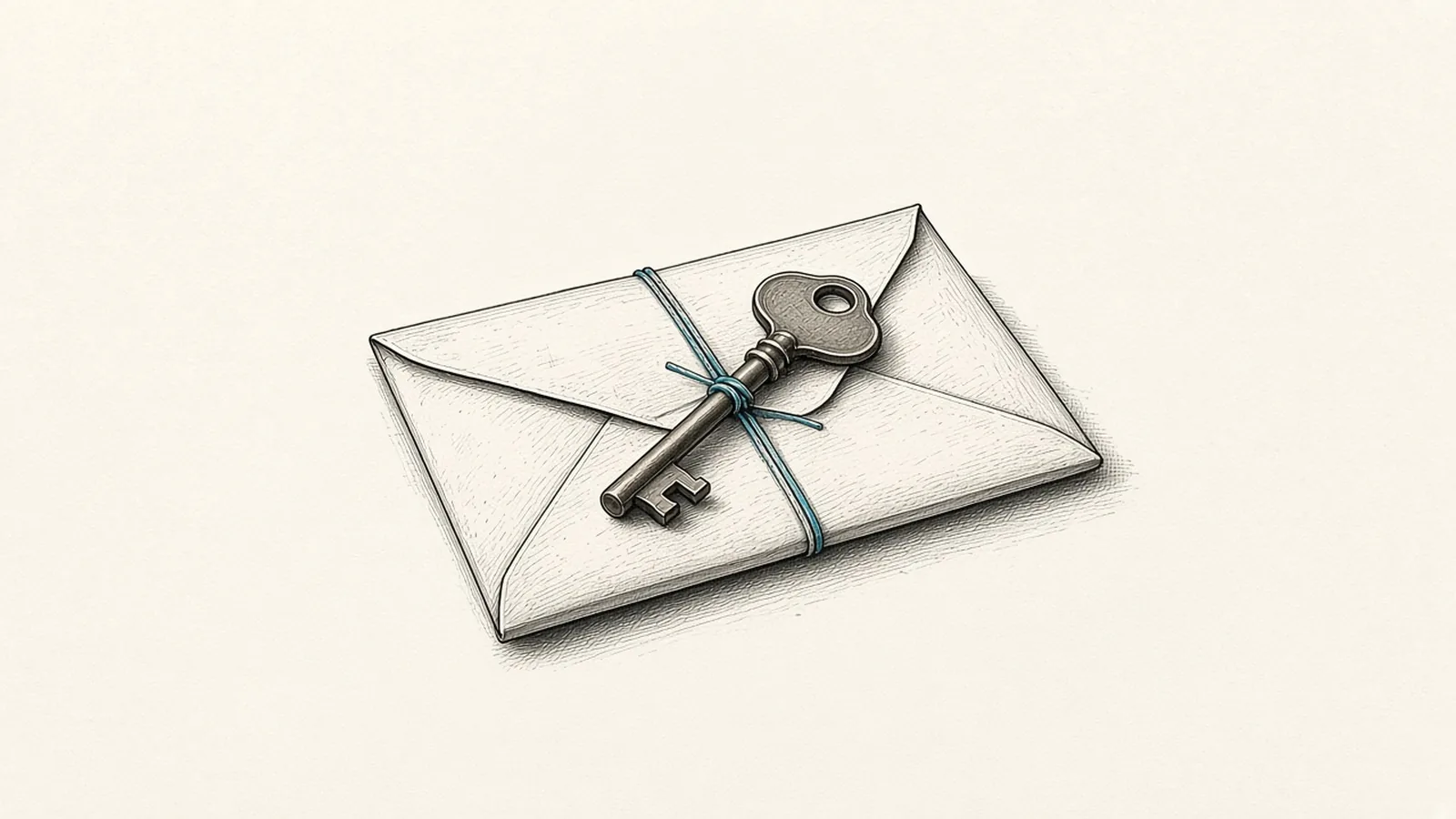
- Backup Codes: Ten Keys You Use Only Once Ten eight-digit numbers, each good for a single sign-in. 2FA backup codes as a spare key to keep safe before the emergency.
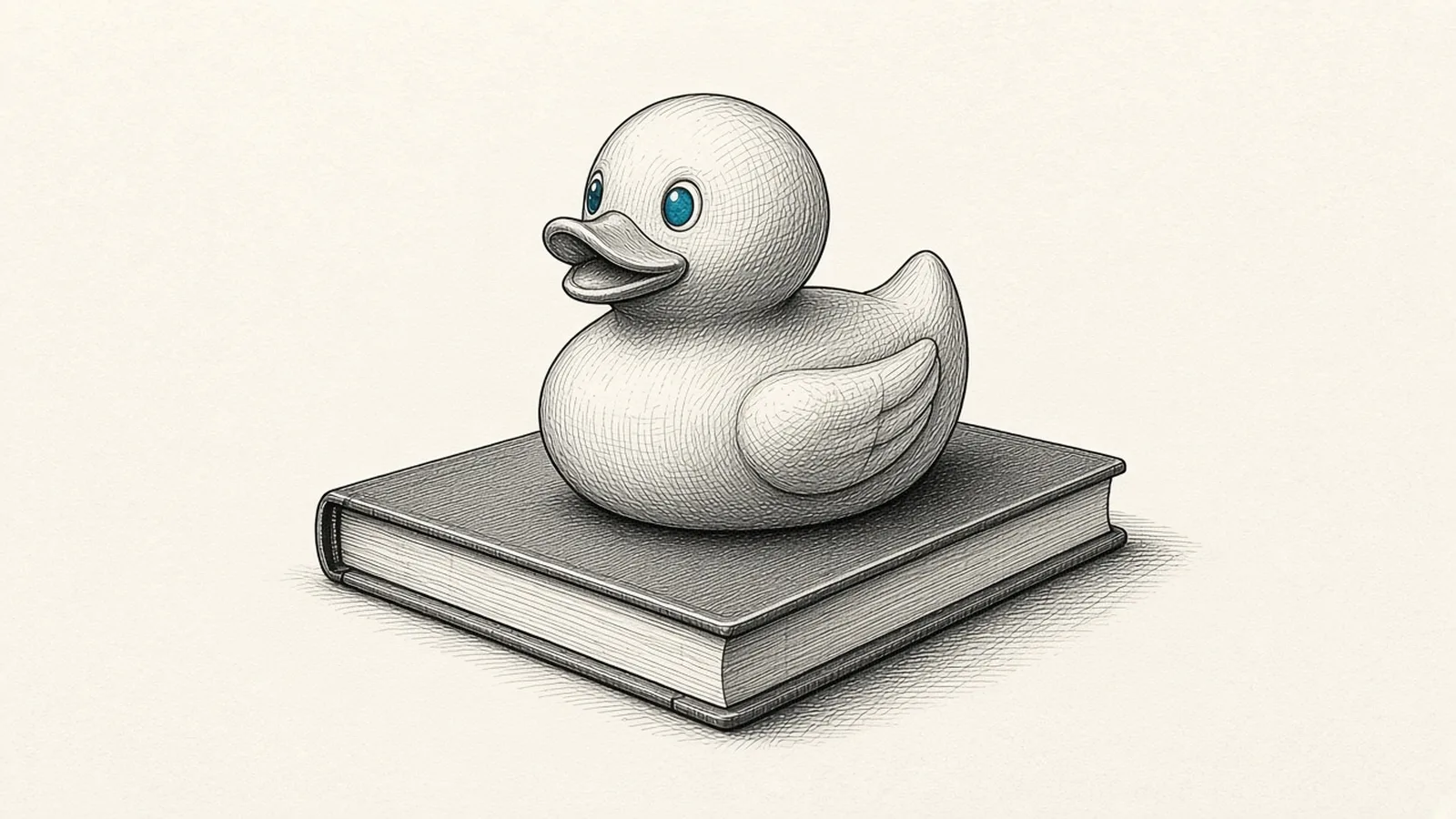
- The Rubber Duck: Explaining Code to Someone Who Doesn't Answer A research assistant explained his code, line by line, to a rubber duck. The smallest check in a builder's workshop.
- Hang in there until 2030: the myth of eternal youth has a new machine In 1773 Franklin dreamed of a cask of Madeira to wake up a century later. Today the same hope has an algorithm in place of the cask.
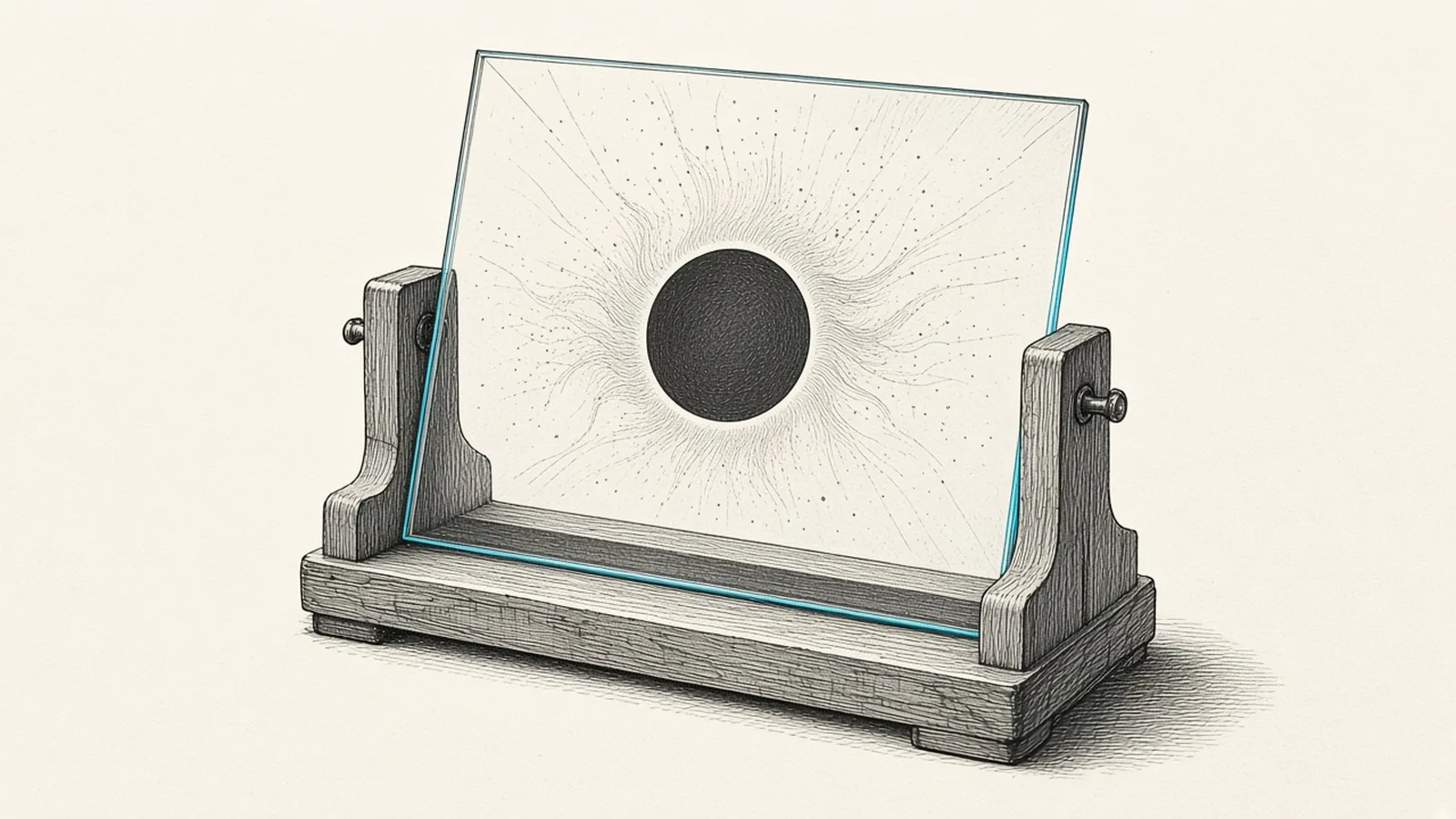
- The 1919 Plate: Light Bending Beside the Sun In 1919 two expeditions photographed the stars beside the eclipsed Sun: a glass plate showed light bent by gravity.
- The Slug: a Line of Lead Inside Every Address The slug began as a line of lead cast by the Linotype. Today it is the name a page carries in its address: a promise the web breaks too often.
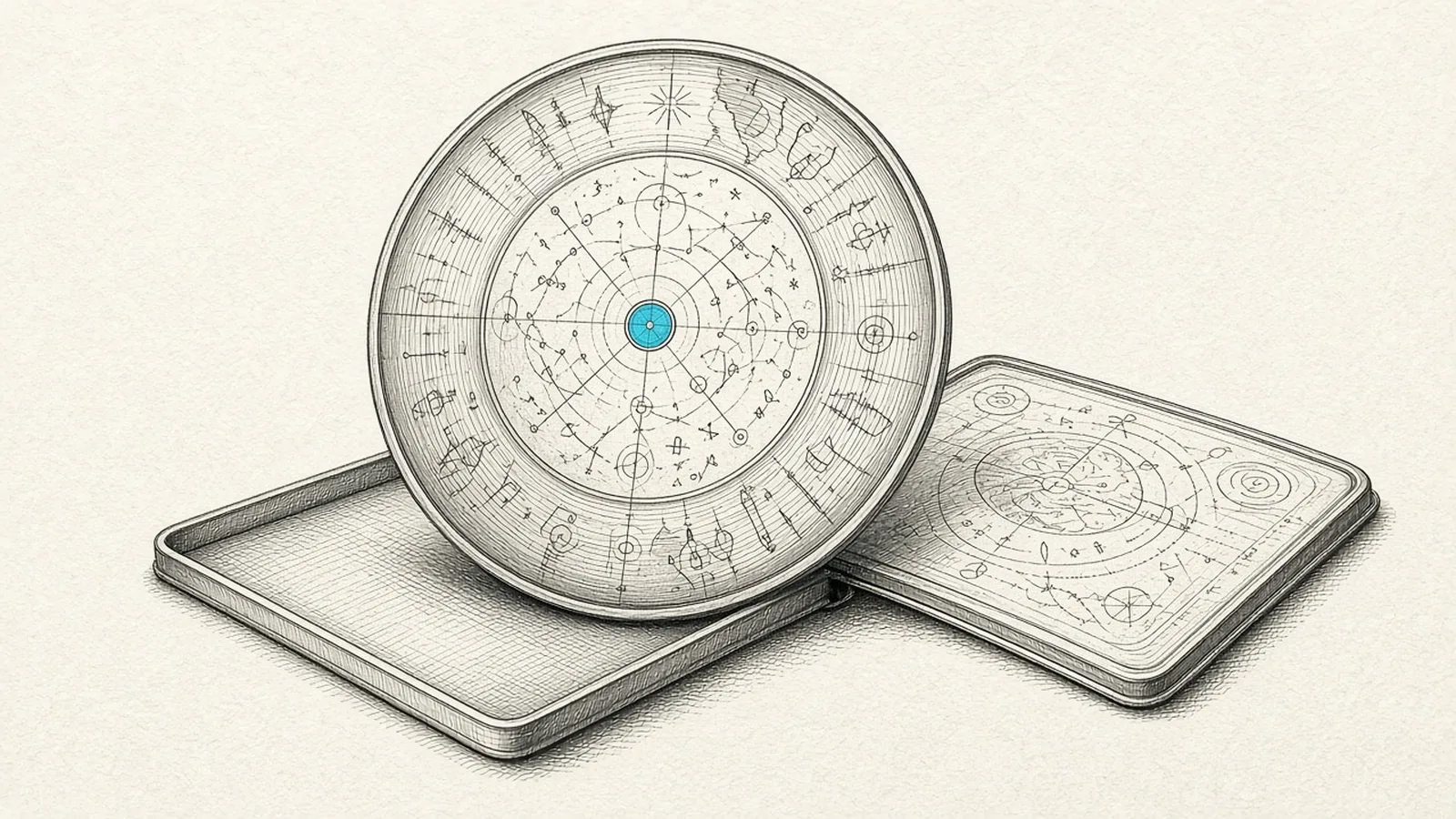
- The Golden Record: a Song Cut for an Era We Will Never See The Voyager Golden Record carries instructions, a needle and a uranium clock: a song meant for an era we will never see.
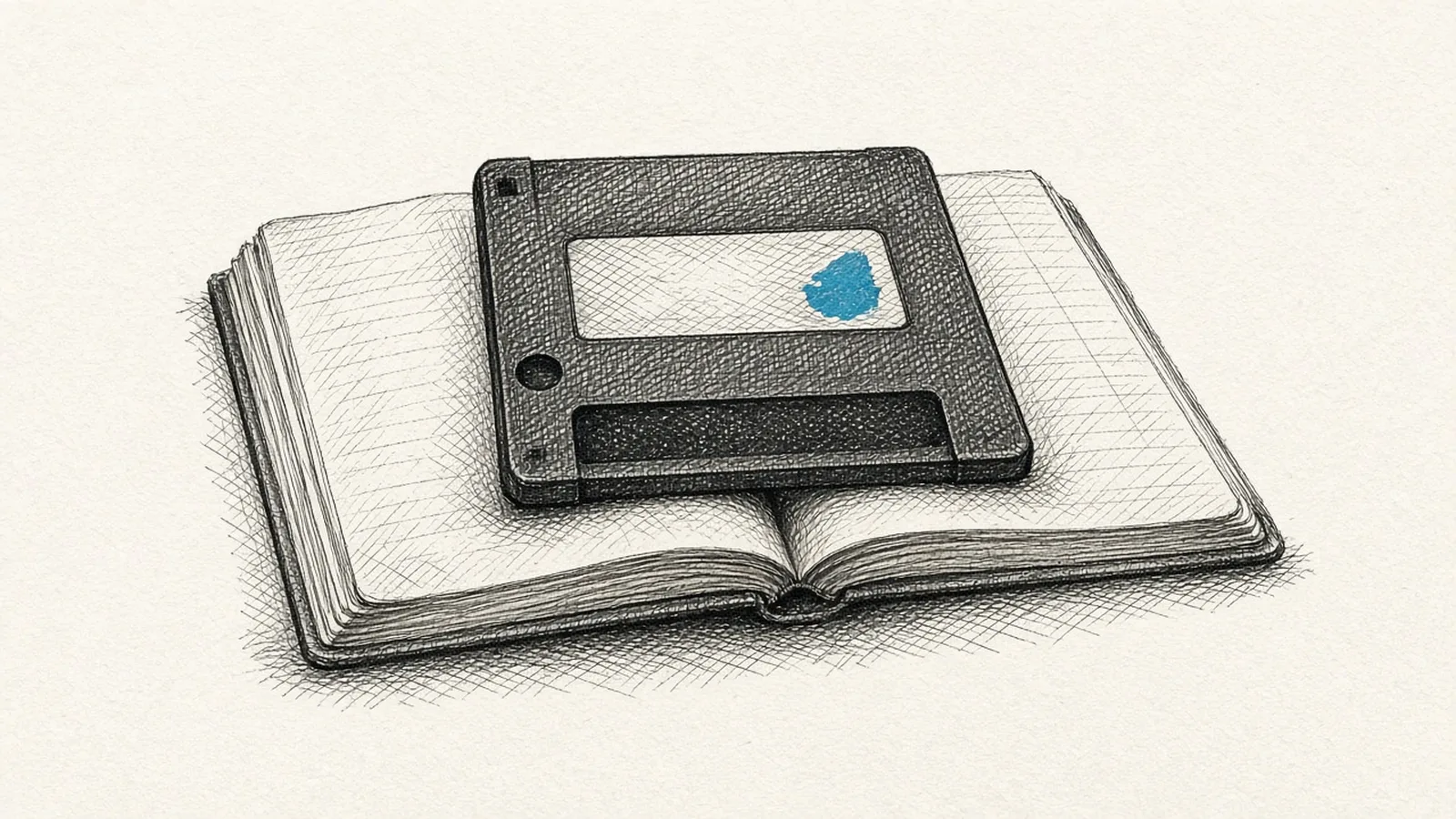
- The Floppy and the Notebook: Two Ways to Keep What You Risk Losing From the SACCS eight-inch floppy to the Digital Custody Notebooks: a bridge between a machine that could not be replaced and a procedure that must not be forgotten.
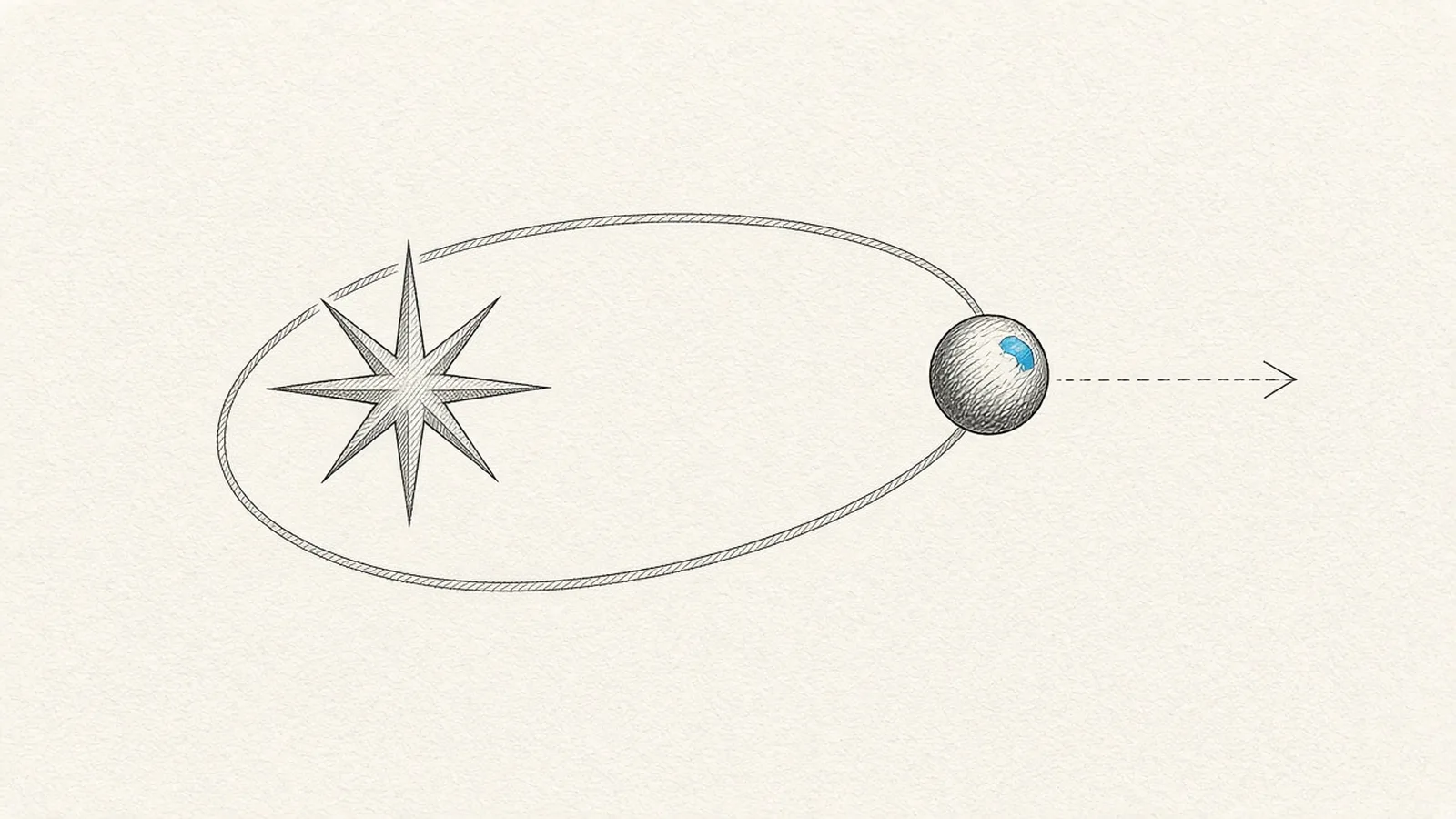
- Understanding the Orbit by Playing: Gravity in Two Dimensions A plane, a star, a body thrown sideways: two-dimensional gravity teaches the orbit with the hands, before the formulas.
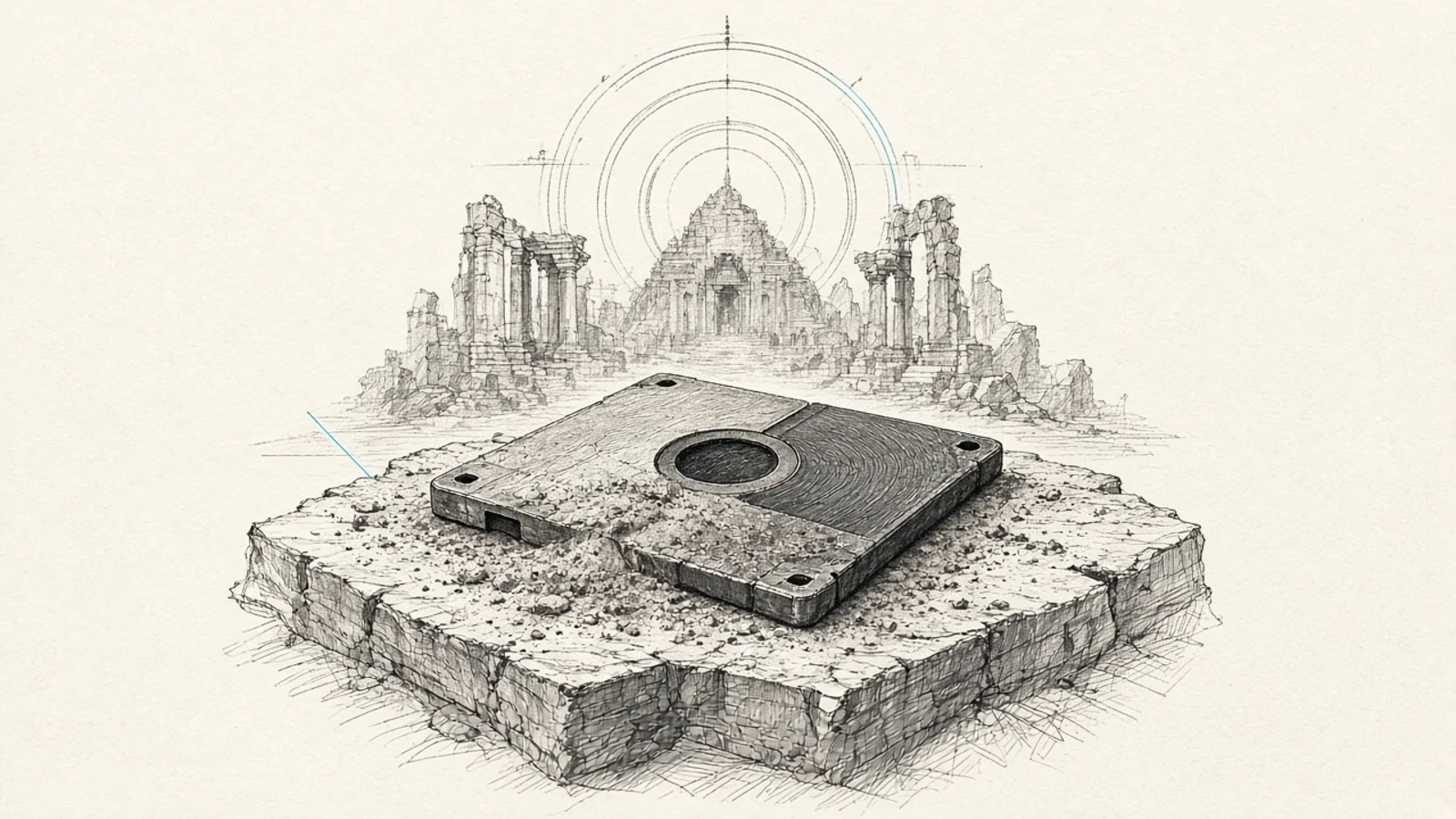
- The Eight-Inch Floppy: When a Living System Is Already a Ruin Until 2019, US nuclear command ran on eight-inch floppy disks. A concrete case of a living system already turned into a ruin of format.
MAY 2026 15
- Operational Cybersecurity vs Executive Convenience Security often fails not because awareness is missing, but because organizations choose convenience, exceptions and shortcuts over discipline.
- The Frequency of the Real: we do not see reality, we tune into it A bridge article for The Frequency of the Real: human band, physical spectrum, consciousness, subtle matter and discernment as a practice of listening.
- The Song of the Eras: the cosmic problem of time and listening A bridge article for The Song of the Eras: asynchronous civilizations, fossil signals, missed contact and deep time as a cosmic wound.
- The System That Dreams: when reality begins writing probabilities A bridge article for The System That Dreams: destiny, matrix, choice and collective consciousness as architectures that shape the field of possibility.
- Technosignature: the technical signature of a civilization that forgets A technosignature is not only a signal in space. It is what remains when technology survives its own manual and a civilization begins turning machines into myth.
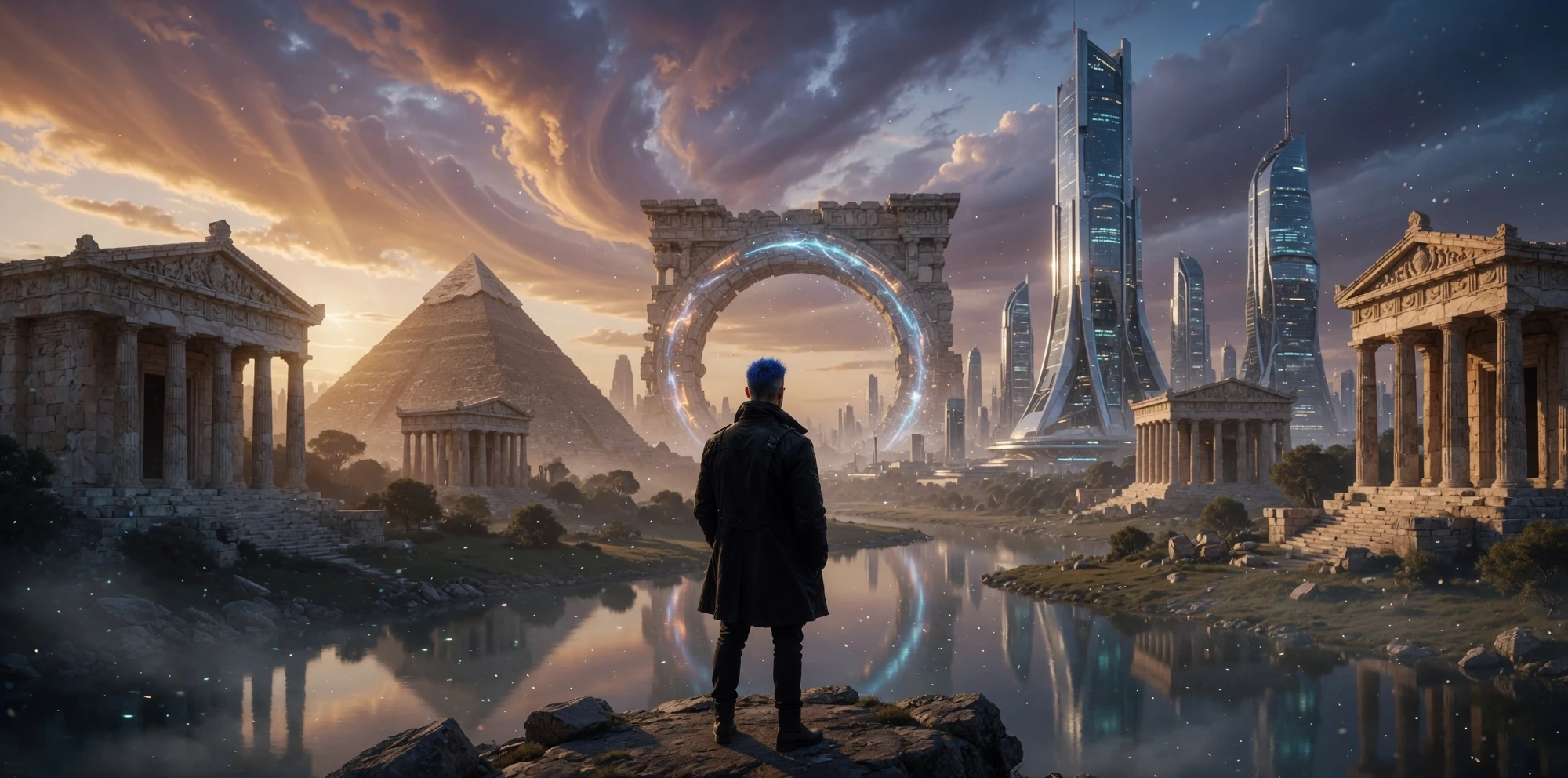
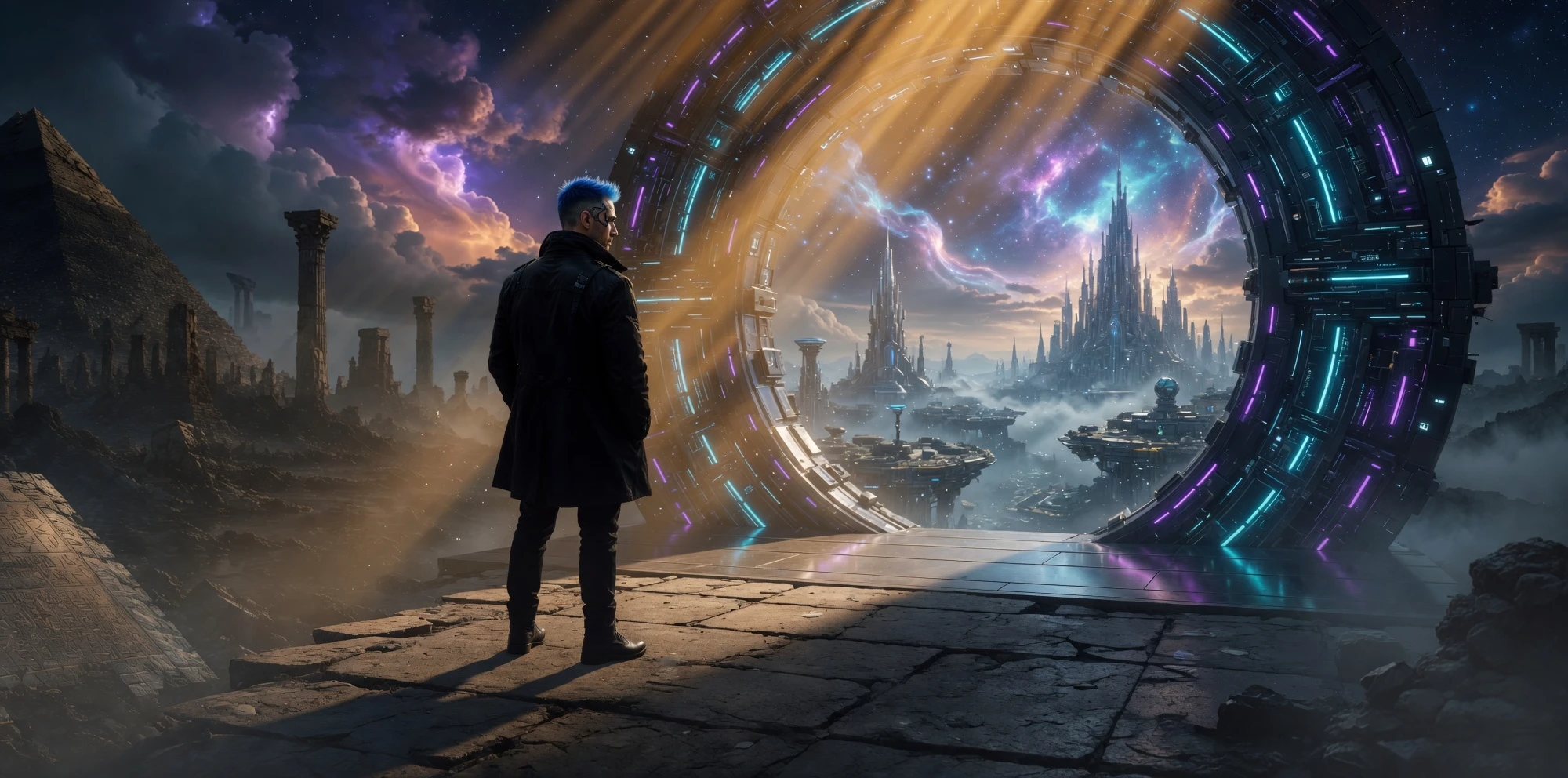
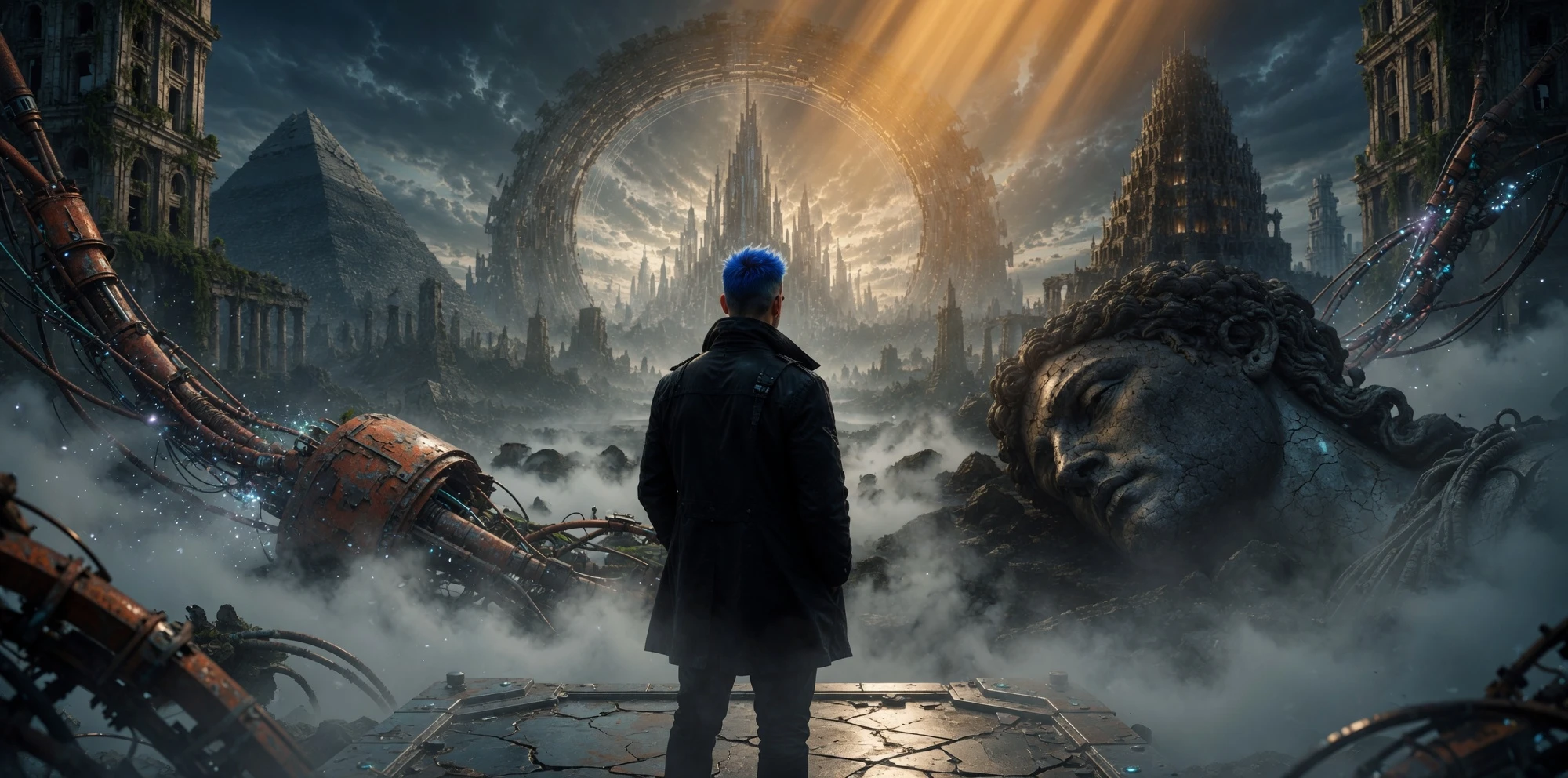
- The civilization that remembers Reboot's final question: can we be the first civilization able to recognize the cycle before repeating it?
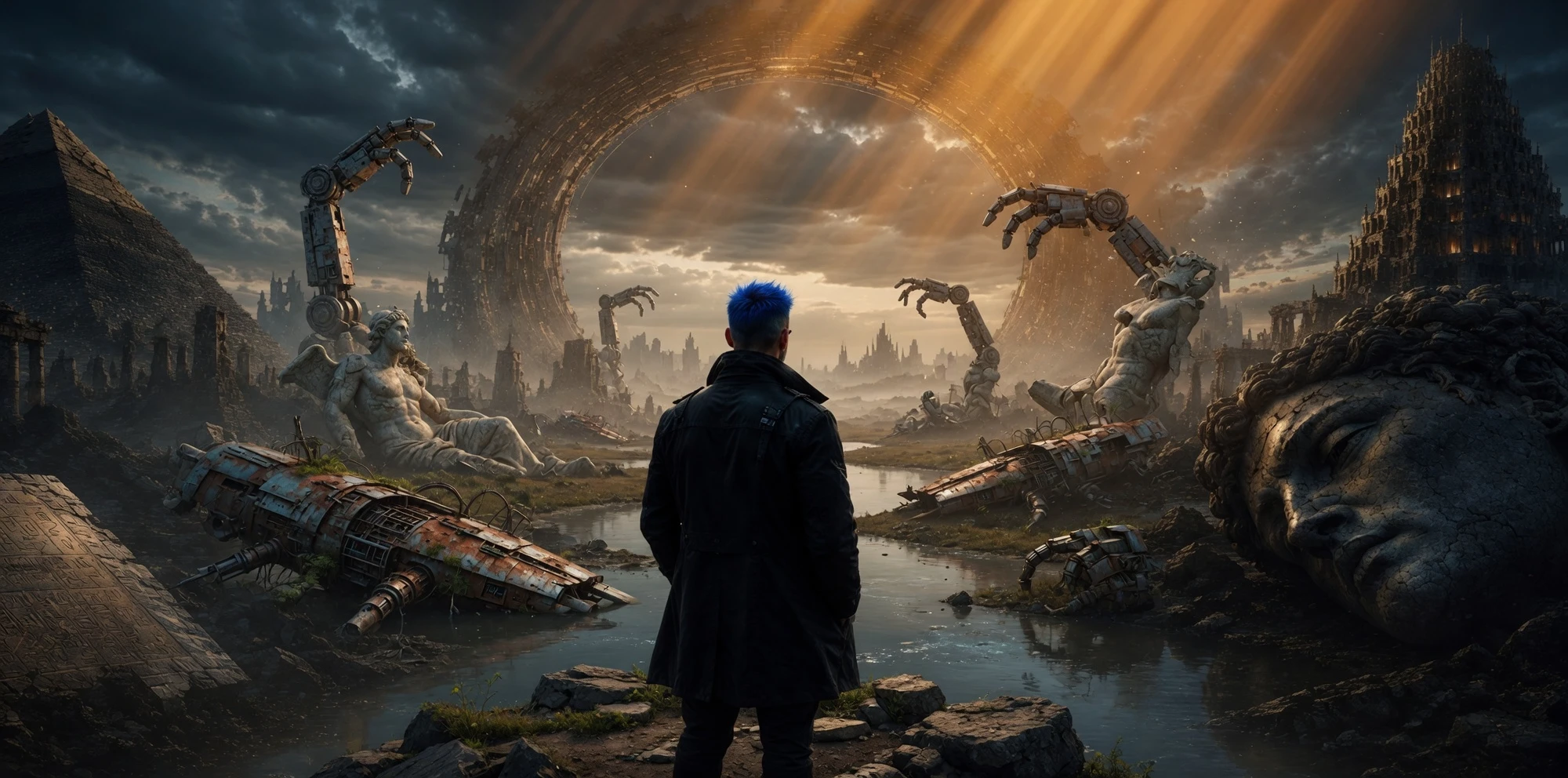
- The reboot After the collapse, the world does not end. It restarts in a simplified form. Technology becomes rite, symbol, legend.
- Elegant self-destruction Collapse does not always arrive with an explosion. Sometimes it arrives as dependency, delegation and the silent loss of sovereignty.
- The threshold The threshold is the moment when a civilization builds tools more powerful than its capacity to govern them.
- The ruins are not silent Ruins still speak, but perhaps not in the language we think. Reboot starts from the idea that every technical remnant can become myth once it loses its own context.
- Reboot: a mythology of civilizations that forget Reboot is born from a question: what remains of a civilization when it loses the ability to understand its own machines?
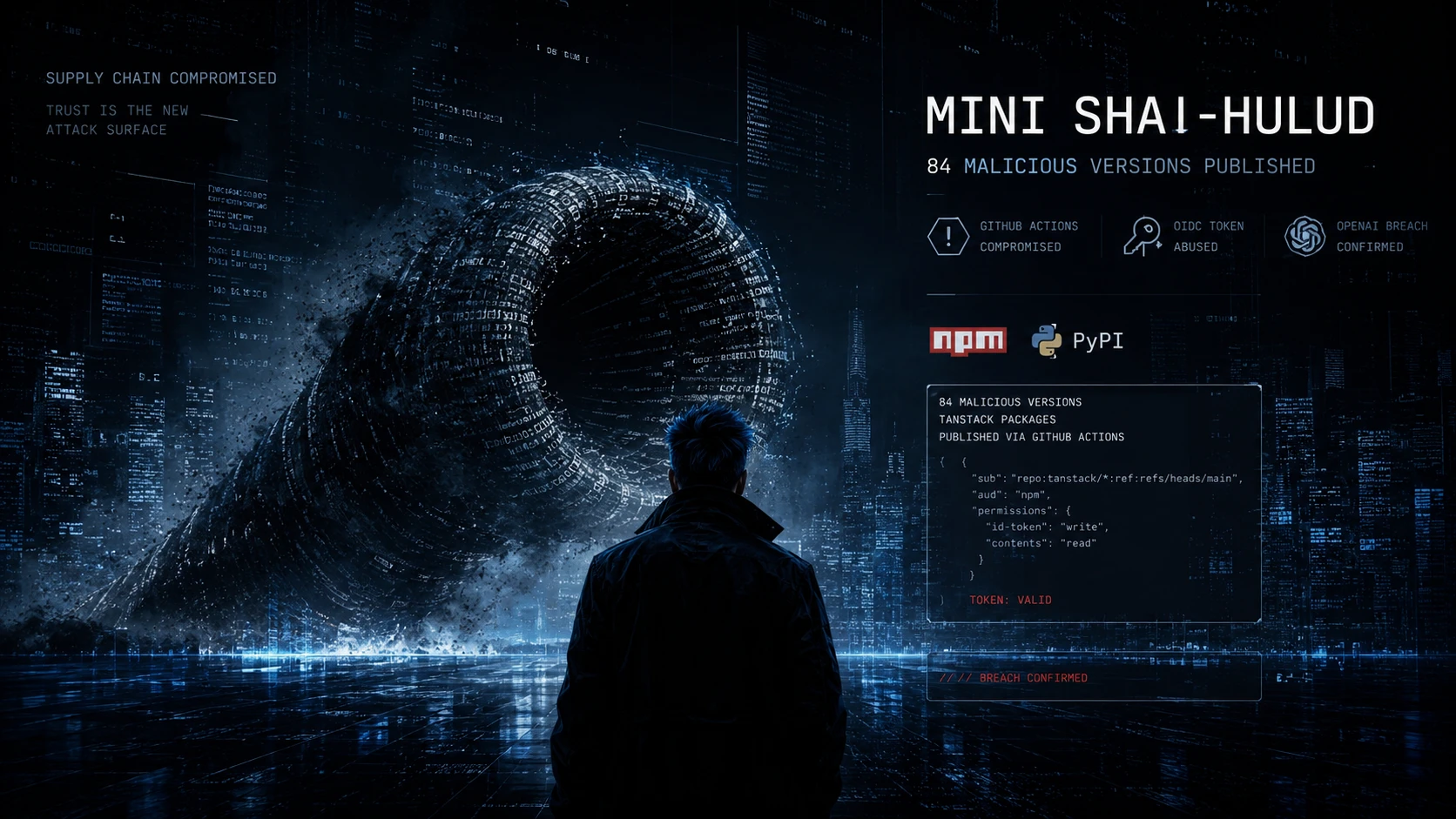
- npm, PyPI and Mini Shai-Hulud: the week the supply chain moved back to the center of operational cybersecurity The Mini Shai-Hulud campaign on npm and PyPI: 84 malicious TanStack versions shipped via GitHub Actions, OIDC token abuse and a confirmed OpenAI breach. Why the supply chain is now an operational cybersecurity problem — and what to check today.
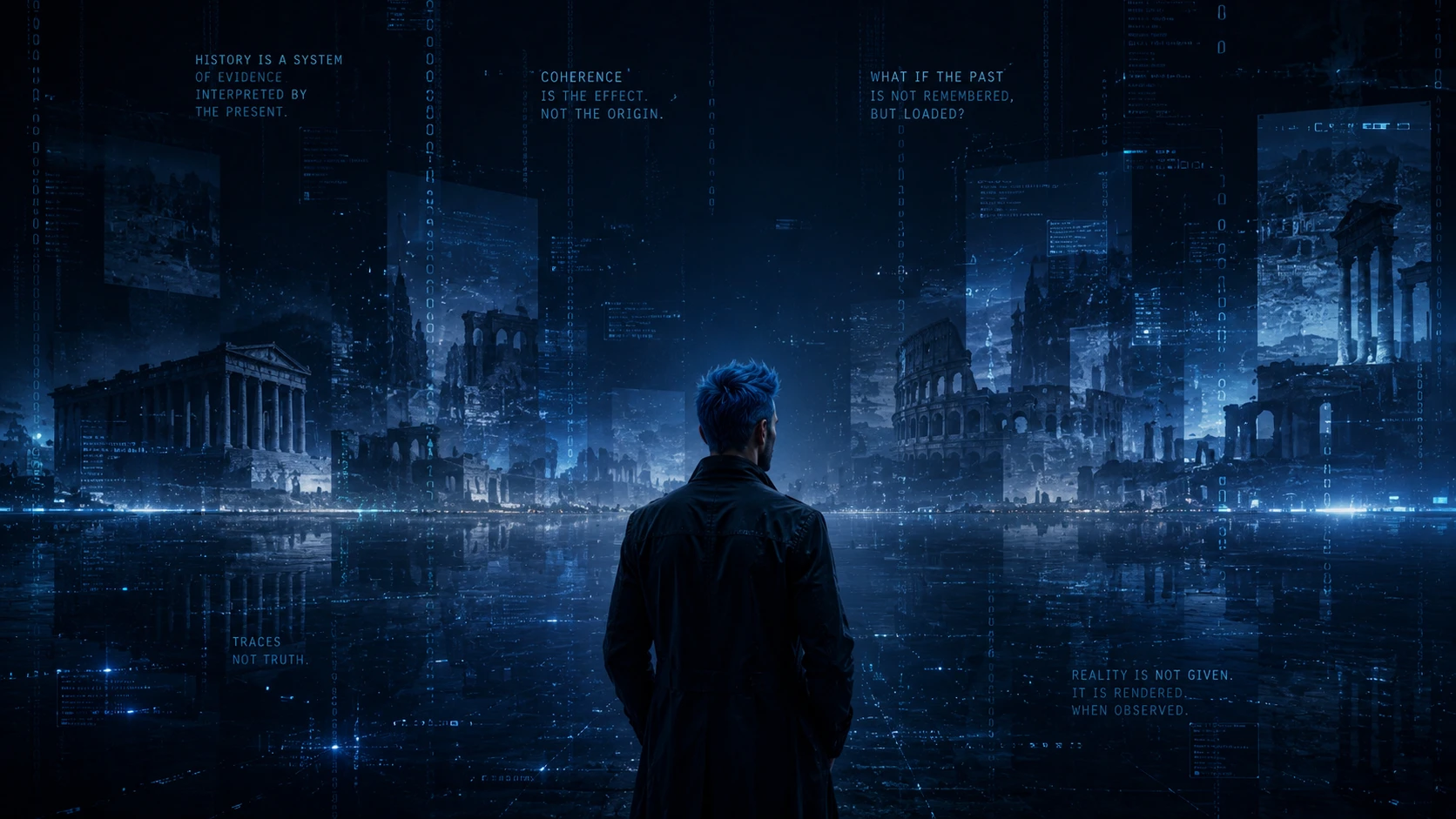
- The Recent Implant Hypothesis What if the past were an uploaded memory, not a sequence actually lived? A note on simulation theory and the distinction between lived and loaded: a habitable reality needs continuity, and history already functions as an interface.
- Squicky World on X · the Cloth Kingdom opens a channel Editorial deploy: the Cloth Kingdom steps out of the closed book and opens an operational channel on X. Few signals, lots of care — social as part of the narrative pipeline, not an accessory endpoint.
- Boot Sequence System online: florianorighetti.ch boots as a command center for builds, tools, field notes and Xdripian lore.

grep: — no file matches
No article contains these words. Try shorter terms or search the whole site.