Topic
Operational Cyberinfrastructure
Security, digital custody, cold storage, blockchain, critical accounts, wallets, backups and operational continuity for digital assets and identity.
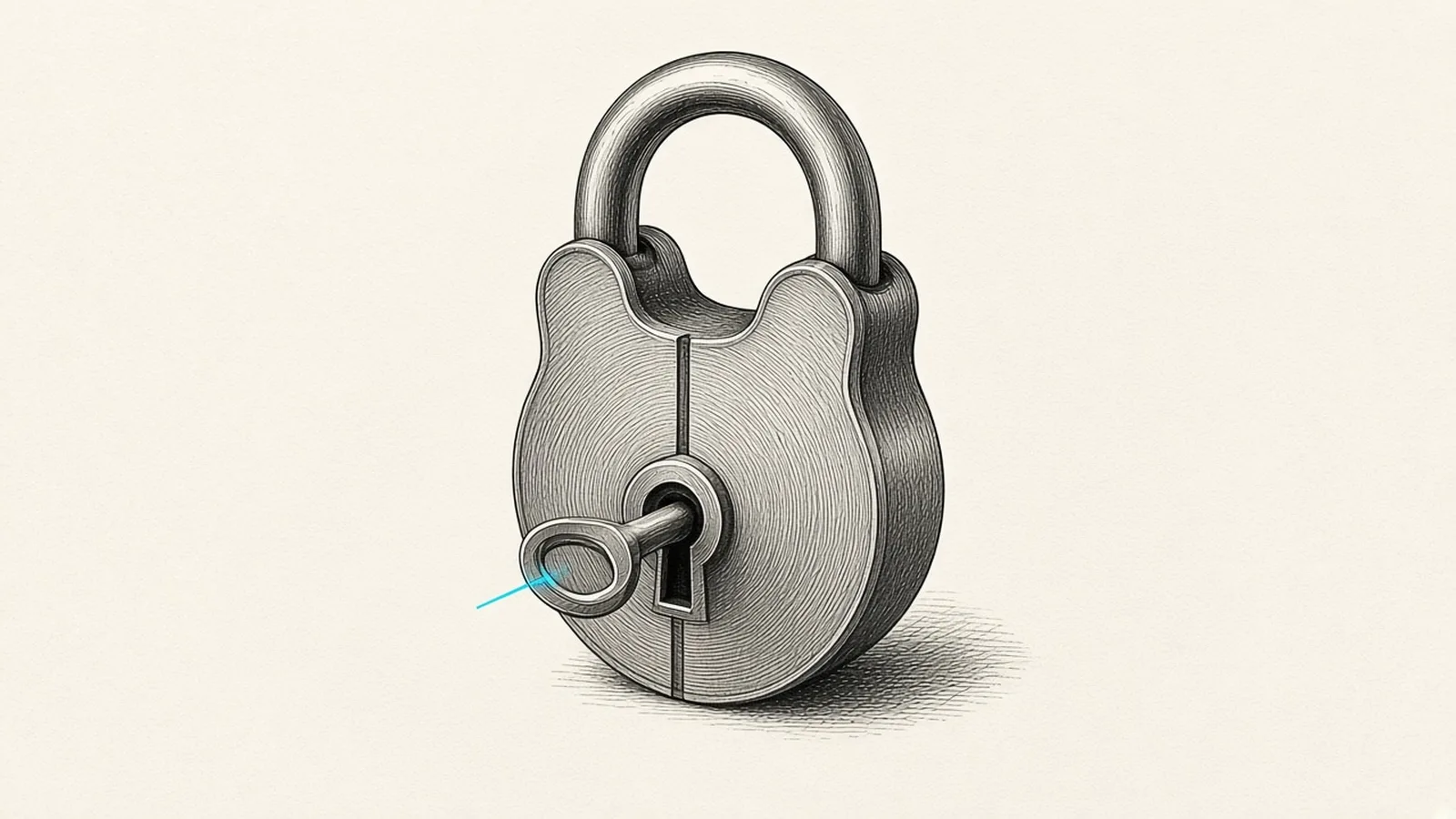
This topic expands the thesis of Security as an operating habit: digital security is not only defense against attacks, but infrastructure for custody, access, continuity and control over digital assets.
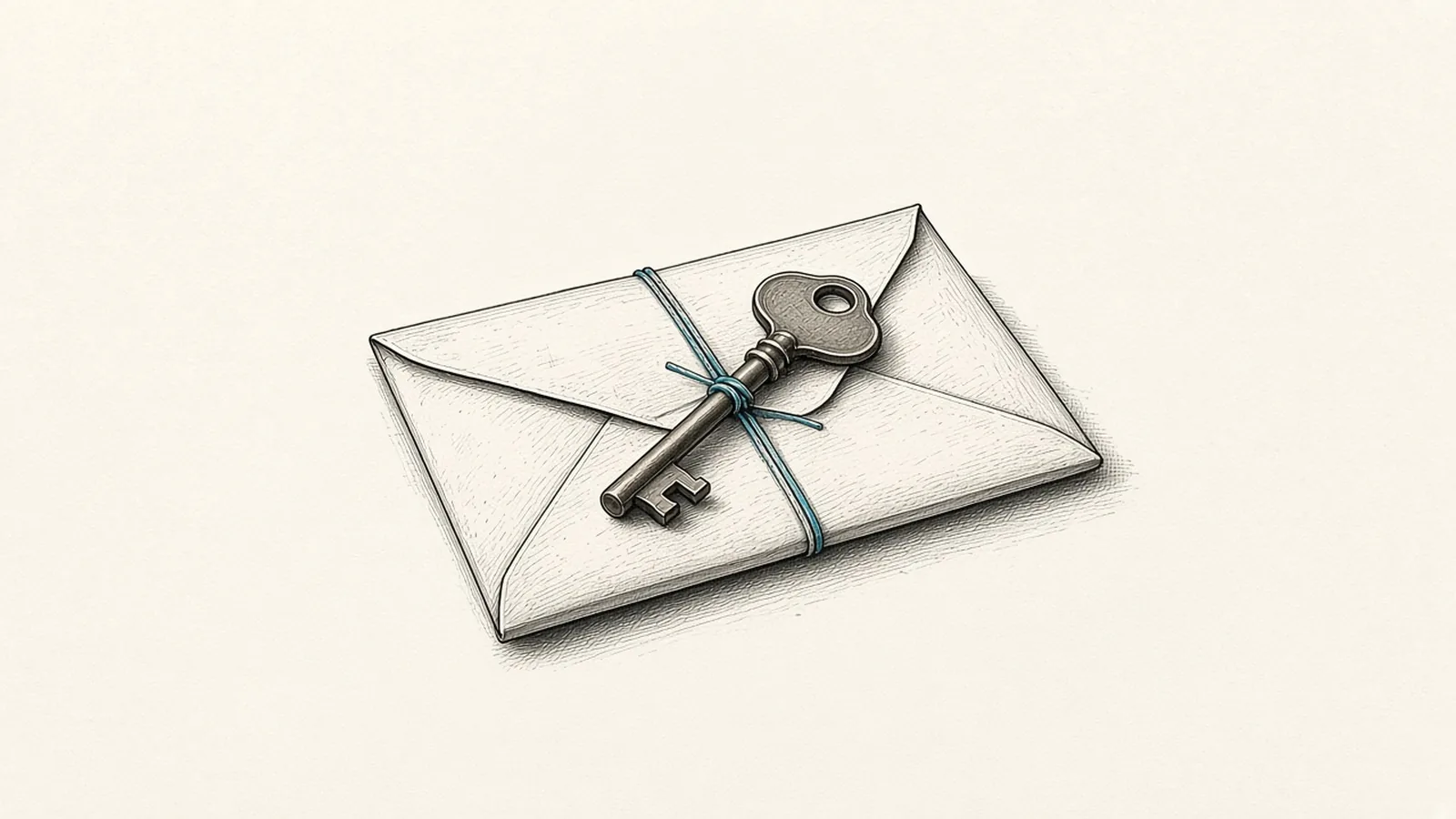
Operational Cyberinfrastructure means designing, before the emergency, how accounts, wallets, domains, data, identity, private keys and blockchain environments remain protected, recoverable and governable. The goal is not paranoia. The goal is to prevent one mistake from destroying digital ownership, operational continuity or access capability.
The topic has four axes: access, with critical email, MFA, admin panels, domains and separated environments; custody, with wallets, seed phrases, cold storage, physical backups and dedicated devices; digital ownership, with blockchain, signatures, smart contracts, multisig, DOTs and tokenized assets; operational continuity, with recovery, incident response, inheritability, written procedures and reduction of single points of failure.
In this frame, products and concepts such as XColdPro and XVaultPro, developed inside the XDRIP Digital Management LLC universe, are not simply crypto tools: they are examples of digital custody as infrastructure. The question is not only where to keep a key. It is how to design a procedure that remains legible, secure and usable when the operating state changes.
This page gathers practical notes on OPSEC, phishing, wallets, cold storage, critical accounts, devices, backups, attack surfaces, incident recovery and real-world security for builders, digital projects and blockchain infrastructures. The linked essay gives the core thesis; connected blog posts can become checklists, procedures, specific cases and operating guides.
$ cat --transmissions --slug=~/topics/operational-cybersecurity
- [01] [POST] The Sign on the Door: robots.txt and the List of Hidden Rooms In 1994 a text file asked the web's robots to keep away. Thirty years later, using it to hide things only points to where the door... ~/blog/sign-on-the-door-robots-txt-1994
- [02] [POST] The a That Wasn't an a: Homographs, Punycode and the Fake apple.com In 2017 an address identical to apple.com was written entirely in Cyrillic: on screen we see drawings of letters, not letters. ~/blog/a-that-was-not-an-a-homographs-punycode
- [03] [POST] The Lock in the Window: Bramah, Hobbs and the Secret that Should Not Be One For sixty years a Bramah lock challenged London from a shop window. In 1851 Hobbs opened it, and security learned to hold even whe... ~/blog/lock-in-the-window-bramah-hobbs-1851
- [04] [POST] The Love Letter with a Hidden Tail: ILOVEYOU and the Extension Nobody Saw On 4 May 2000 a love letter attachment was really a script: all it took was Windows hiding the last extension. ~/blog/love-letter-iloveyou-hidden-extension
- [05] [POST] Five Dice in a Shoe Box: Diceware and the Password That Doesn't Resemble Us In 1995 Arnold Reinhold proposed choosing passphrases with five dice and a list of 7,776 words. Thirty years on, even NIST agrees... ~/blog/five-dice-diceware-passphrase
- [06] [POST] The HTTP Seal: the Line that Decides Who Enters the Page In 2011 Mozilla shipped a new header line: X-Content-Security-Policy. A list written on the page's threshold, not a firewall. ~/blog/http-seal-content-security-policy
- [07] [POST] Cliff Stoll's Seventy-Five Cents: the Printer That Listened to the Intruder In 1986 a 75-cent accounting error led Cliff Stoll to wire printers to his lab's lines and follow an intruder all the way to Hanov... ~/blog/stoll-seventy-five-cents-printer-intruder
- [08] [POST] Backup Codes: Ten Keys You Use Only Once Ten eight-digit numbers, each good for a single sign-in. 2FA backup codes as a spare key to keep safe before the emergency. ~/blog/backup-codes-2fa-single-use-keys
- [09] [POST] Operational Cybersecurity vs Executive Convenience Security often fails not because awareness is missing, but because organizations choose convenience, exceptions and shortcuts over... ~/blog/operational-cybersecurity-vs-executive-convenience
- [10] [ESSAY] Security as an Operating Habit A practical and cultural essay on OPSEC, accounts, wallets, backups, phishing, attack surfaces and digital resilience in real life... ~/essays/security-as-an-operating-habit
- [11] [POST] npm, PyPI and Mini Shai-Hulud: the week the supply chain moved back to the center of operational cybersecurity The Mini Shai-Hulud campaign on npm and PyPI: 84 malicious TanStack versions shipped via GitHub Actions, OIDC token abuse and a co... ~/blog/npm-pypi-mini-shai-hulud-supply-chain