Topic
Cosmic Scale
Summary of the essay on space, deep time, duration, memory and design against the fragility of digital systems.
This topic summarizes the thesis of Thinking against cosmic scale: cosmic thinking is not escape, but a severe test for ambition, memory and duration.
Space and deep time make human work smaller, but not useless. They make it sharper. If everything is fragile, then documenting, preserving, ordering and making a system readable become operating choices, not romantic gestures.
This page gathers reflections on civilizations, signals, extinction, archives, content durability, digital infrastructure and systems that must remain understandable when context changes.
The linked essay contains the full thesis; connected blog posts can bring examples from books, space, technical memory and long-term design.
$ cat --transmissions --slug=~/topics/cosmic-scale
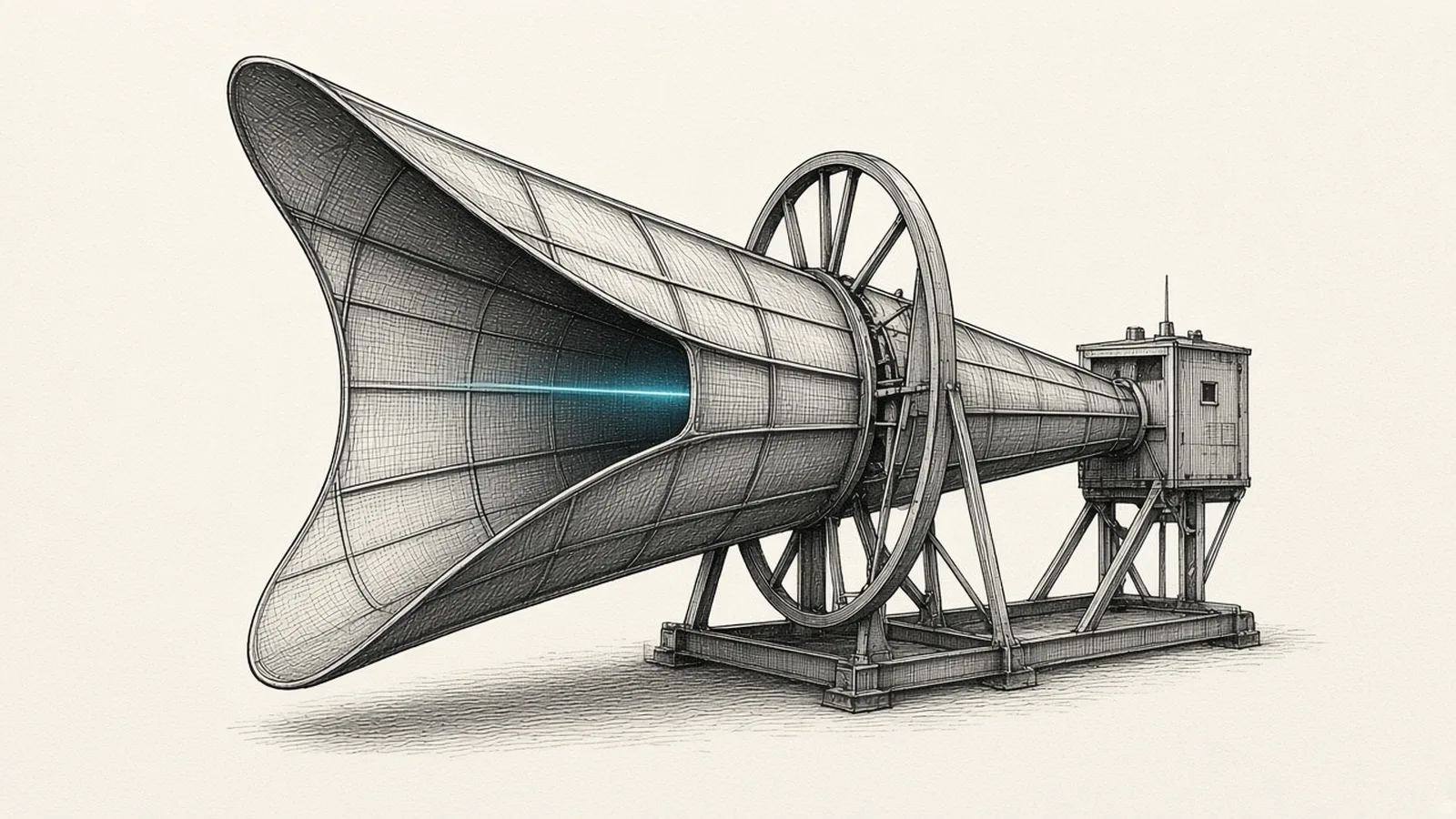
- [01] [POST] The Noise That Would Not Go Away: the Holmdel Horn and the Oldest Light In 1964 a Bell Labs antenna picked up a hiss that would not disappear, even after the pigeons were removed. It was the oldest ligh... ~/blog/noise-holmdel-horn-cosmic-background
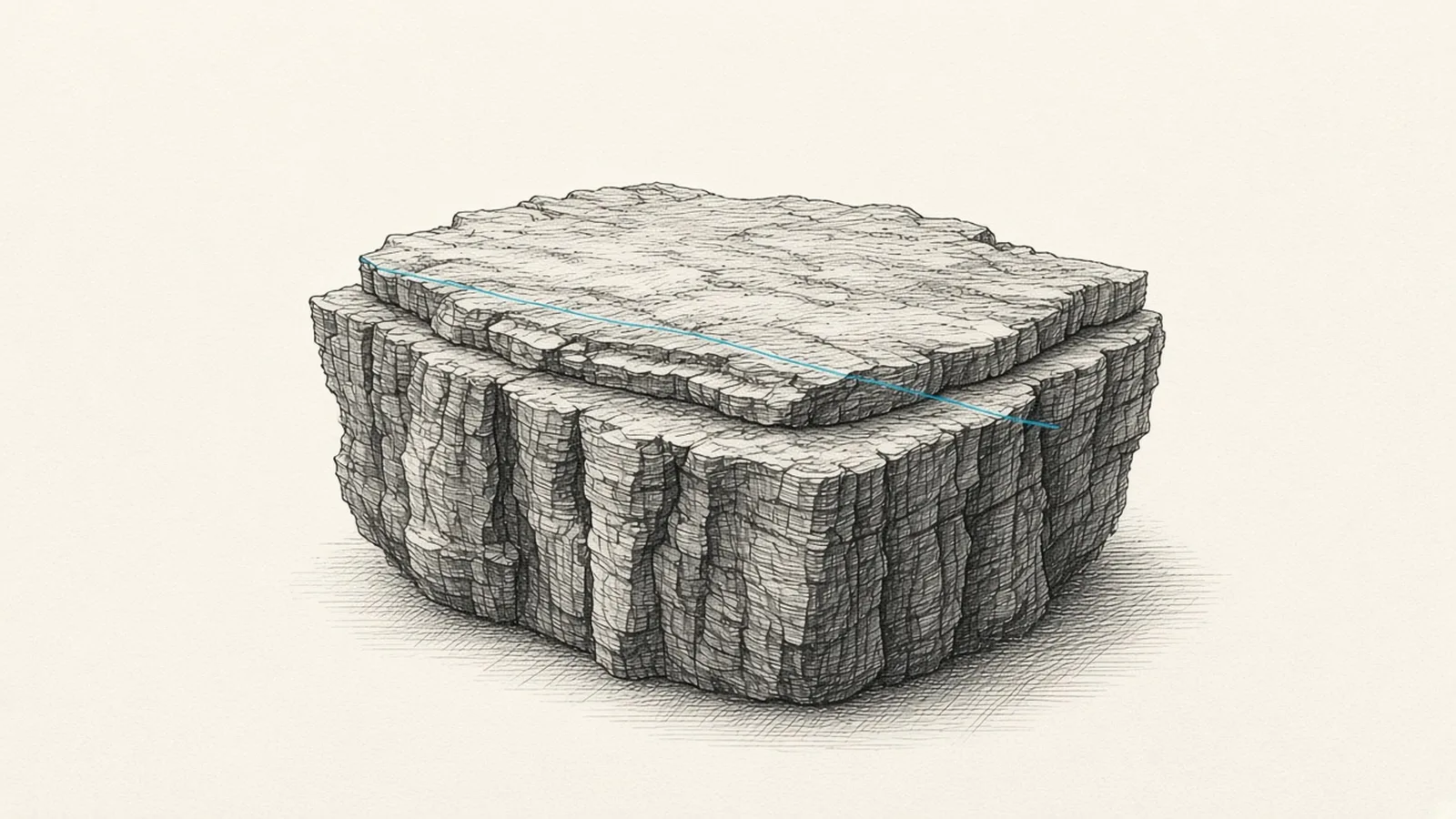
- [02] [POST] The Abyss of Time: Hutton at Siccar Point and the Line Between Two Rocks In 1788 James Hutton found two rocks on a Scottish cliff that met in the wrong way. In that line, 65 million years are missing. ~/blog/abyss-of-time-hutton-siccar-point-1788
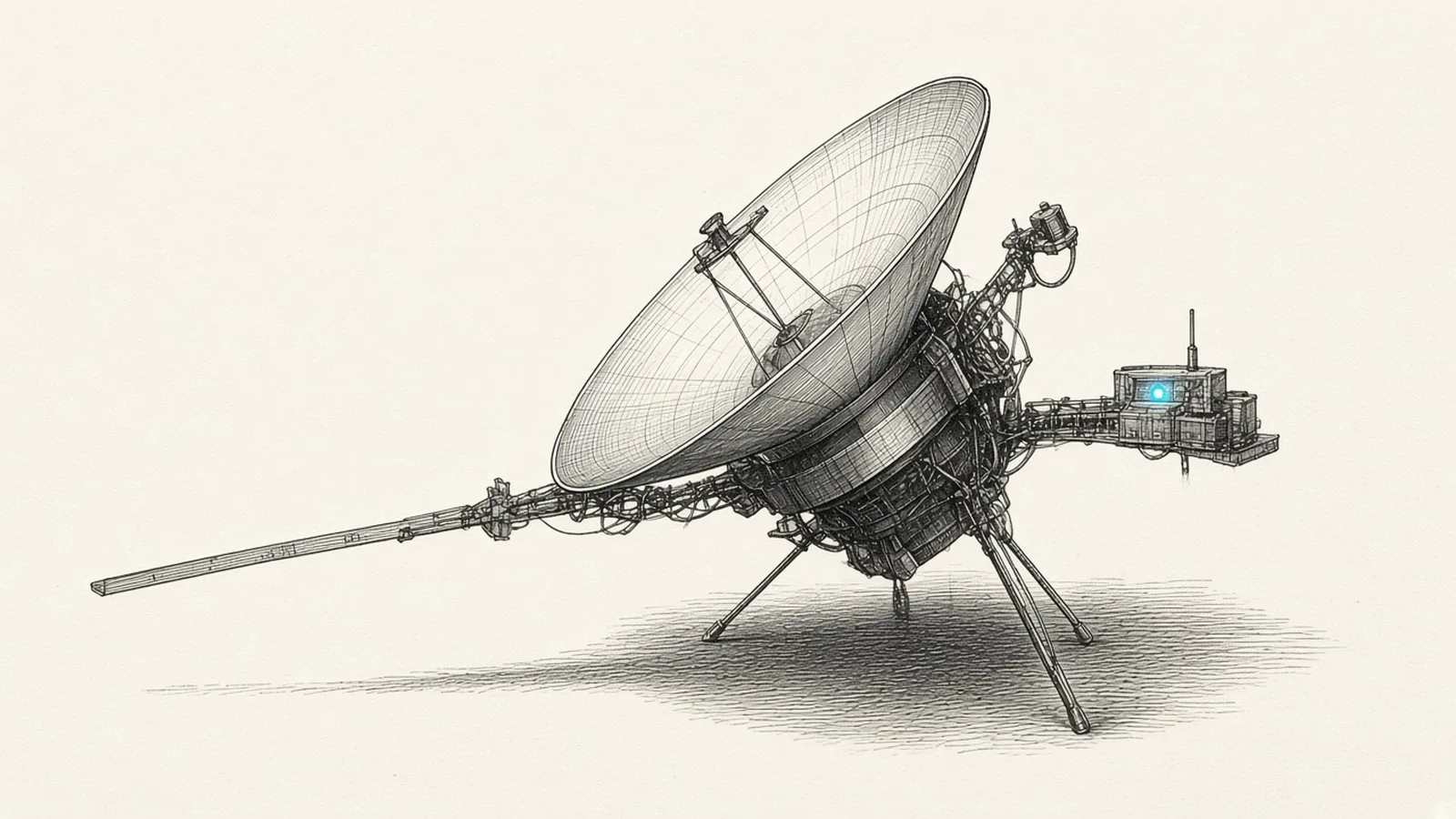
- [03] [POST] Less Than a Pixel: Earth Seen by Voyager 1 On 14 February 1990 Voyager 1 looked back: Earth was 0.12 pixel inside a ray of scattered light. A measure of cosmic scale. ~/blog/less-than-a-pixel-pale-blue-dot-voyager-1
- [04] [POST] Rømer's Eleven Minutes: The Moon of Jupiter That Arrived Late In 1676 Ole Rømer noticed that Io's eclipses came late when the Earth moved away from Jupiter. Light had a speed. ~/blog/romer-eleven-minutes-io-speed-of-light
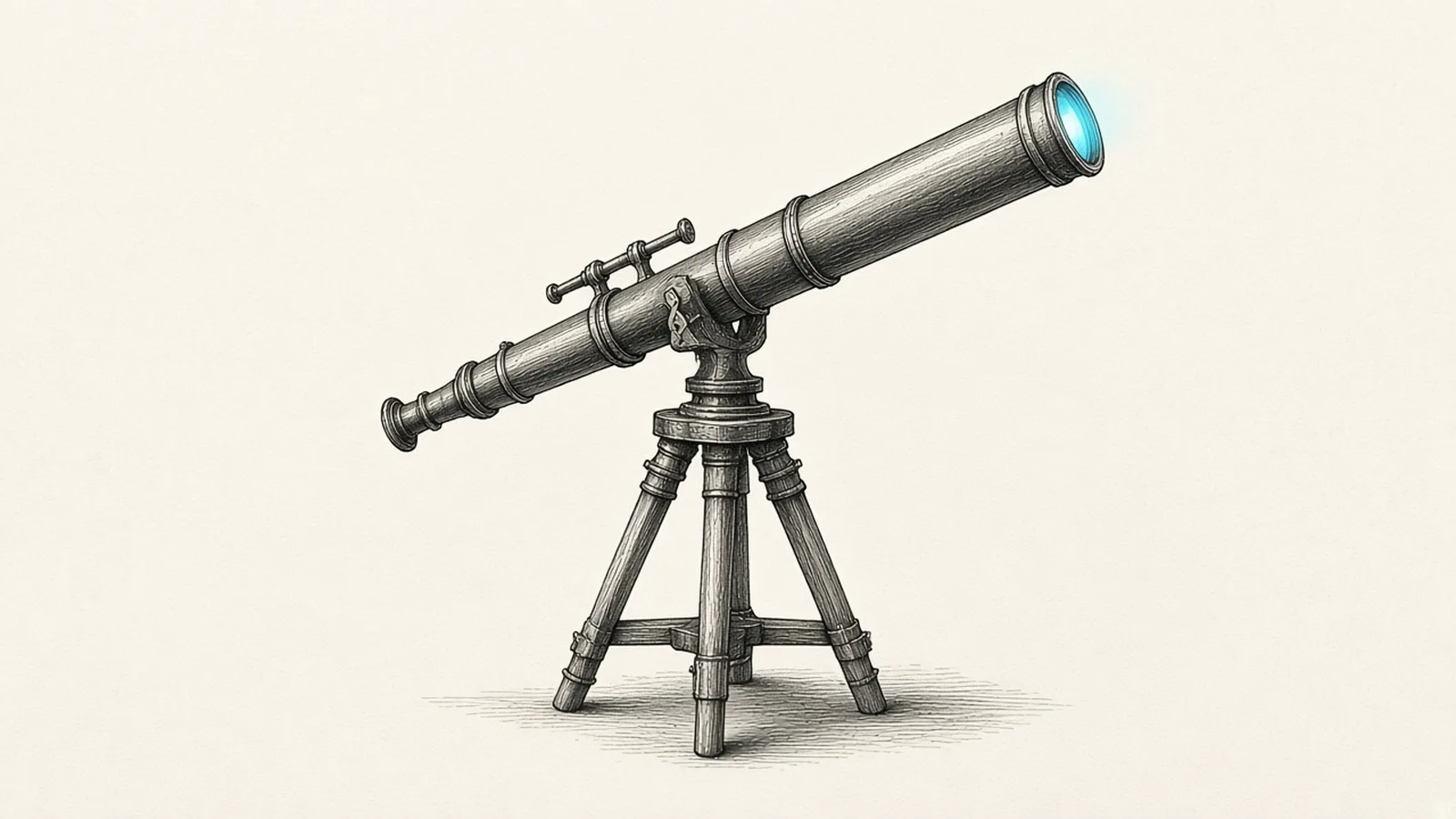
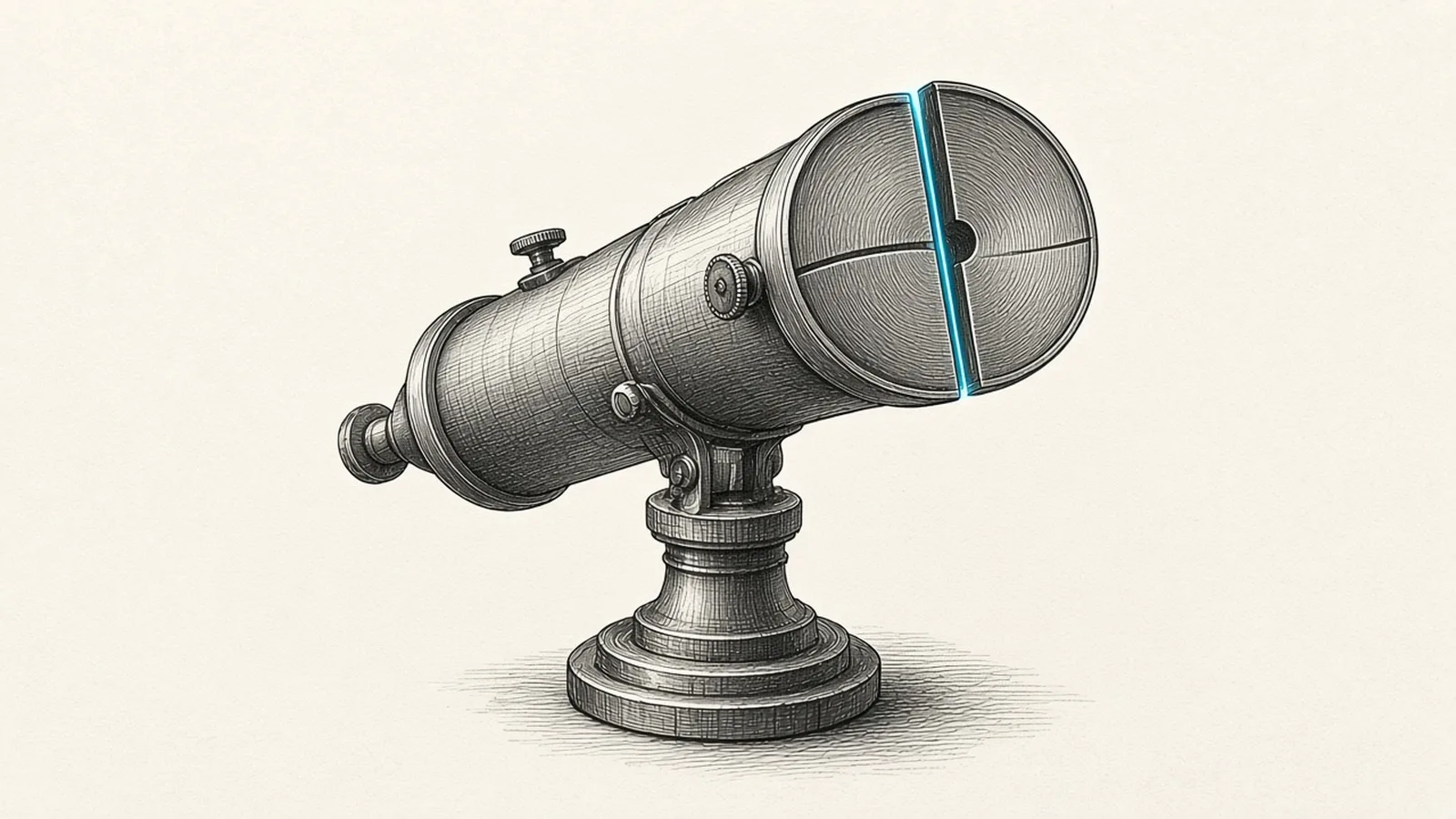
- [05] [POST] The Lens Cut in Two: Bessel and the First Distance to a Star In 1838 Bessel was the first to measure the distance to a star, 61 Cygni, with a Fraunhofer telescope whose lens had been cut in h... ~/blog/lens-cut-in-two-bessel-parallax-61-cygni
- [06] [POST] Henrietta Leavitt's Rhythm: the Stars That Measure Distance Comparing photographic plates of the Small Magellanic Cloud, Henrietta Leavitt found that the rhythm of certain stars reveals how... ~/blog/henrietta-leavitt-rhythm-cepheids-distance
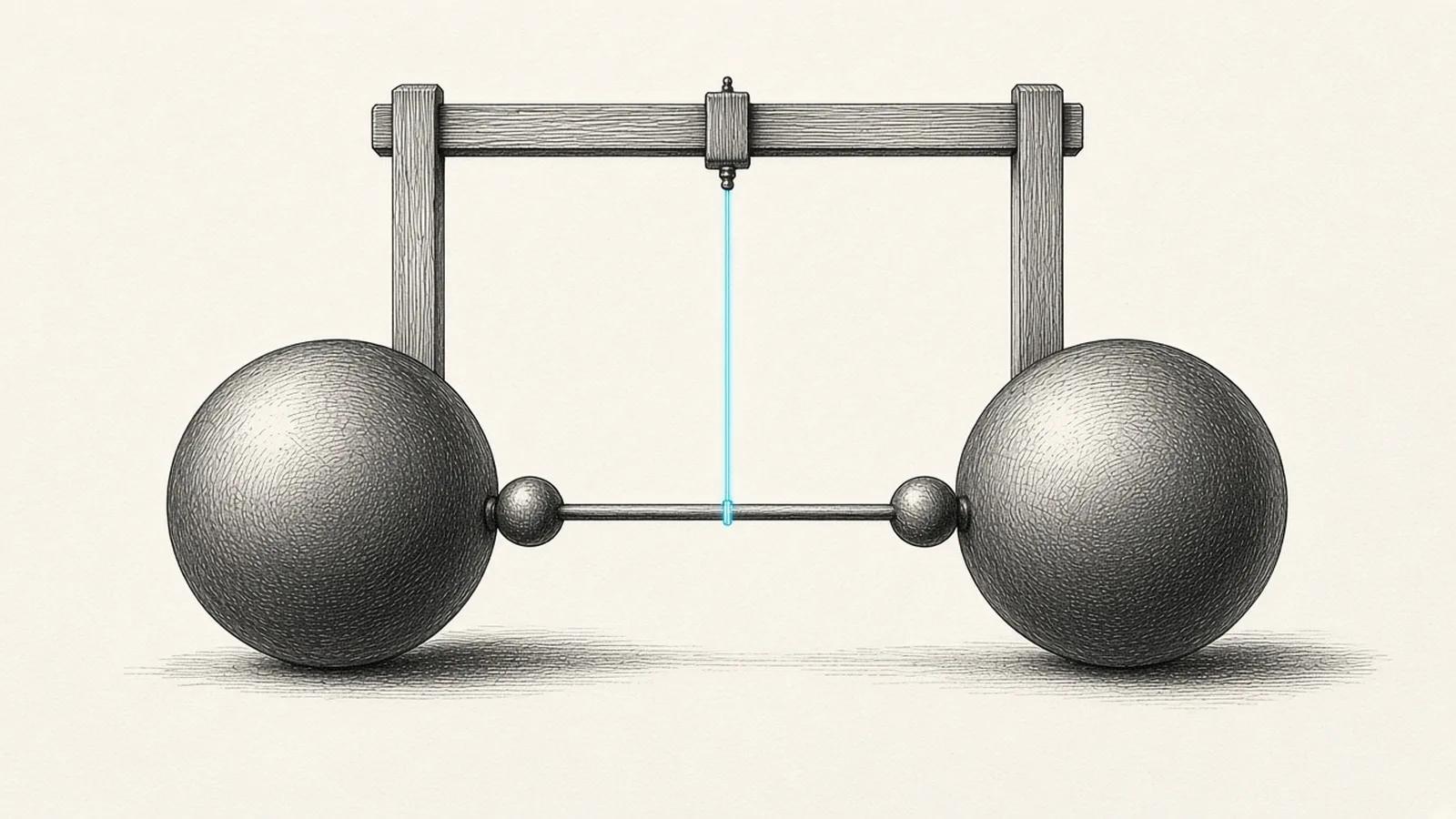
- [07] [POST] Cavendish's Closed Room: Weighing the Earth with a Wire In 1798 Henry Cavendish measured the Earth's density with a wooden arm, two lead balls and a wire, watched from outside through a... ~/blog/cavendish-closed-room-weighing-the-earth
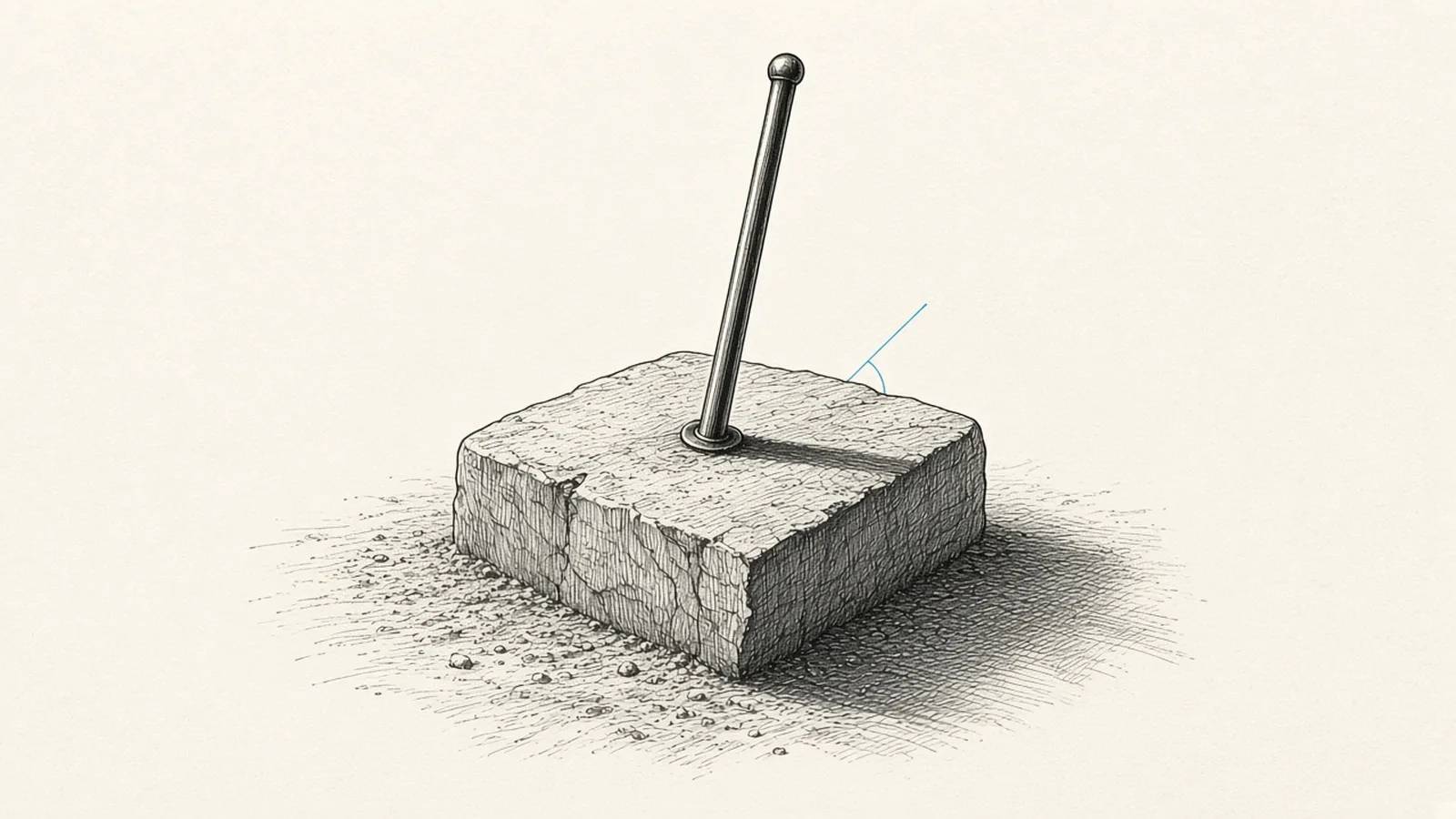
- [08] [POST] The Stick of Alexandria: How Eratosthenes Measured the Earth Around 240 BC Eratosthenes measured the Earth's circumference with the shadow of a stick, a well in Syene and men who counted thei... ~/blog/stick-of-alexandria-eratosthenes-measures-earth
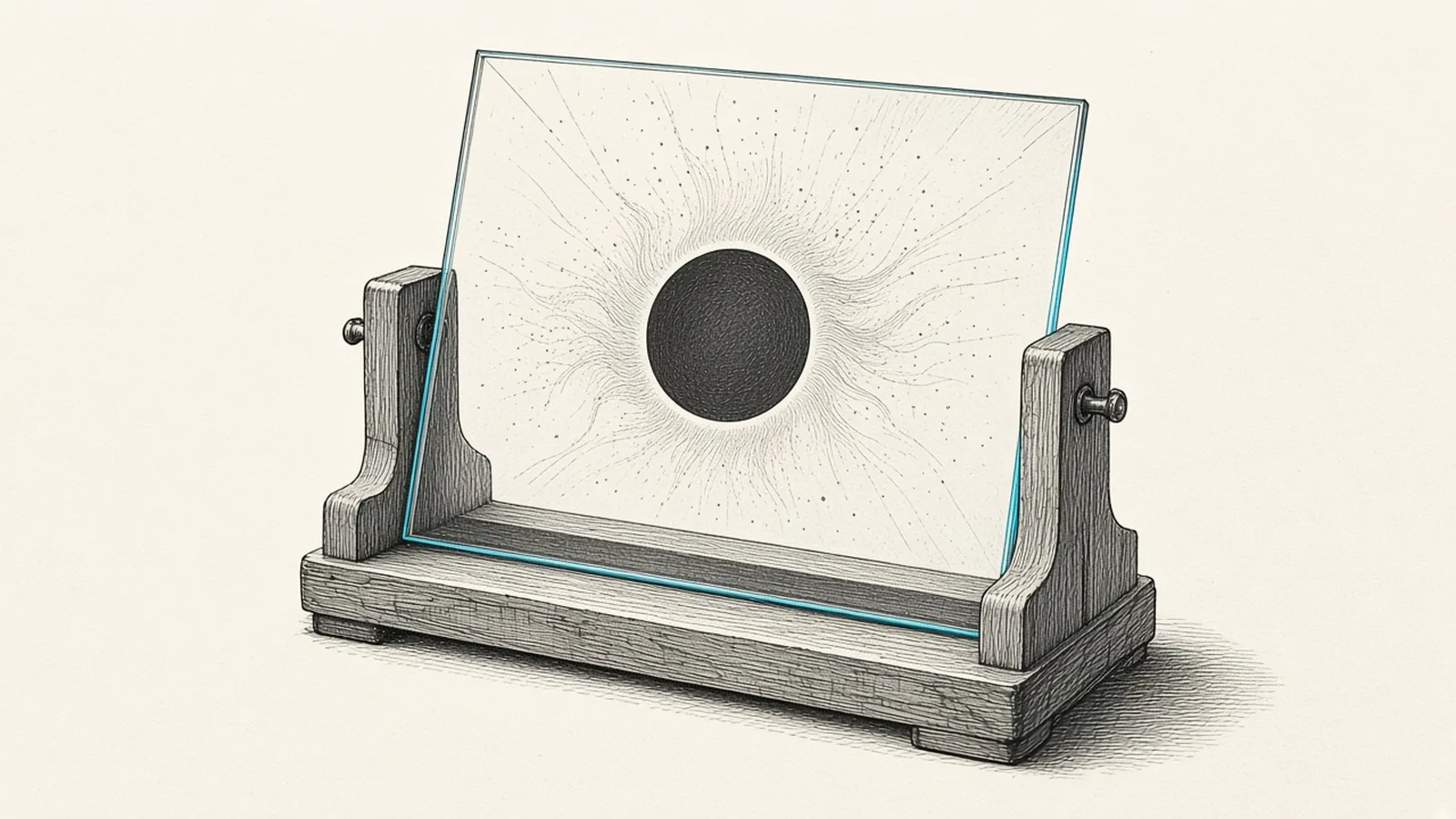
- [09] [POST] The 1919 Plate: Light Bending Beside the Sun In 1919 two expeditions photographed the stars beside the eclipsed Sun: a glass plate showed light bent by gravity. ~/blog/1919-eclipse-plate-bent-light
- [10] [POST] The Song of the Eras: the cosmic problem of time and listening A bridge article for The Song of the Eras: asynchronous civilizations, fossil signals, missed contact and deep time as a cosmic wo... ~/blog/the-song-of-the-eras-time-listening
- [11] [ESSAY] Thinking Against Cosmic Scale An essay on space, deep time, the fragility of civilizations, memory, cosmic solitude and ambition without delirium. ~/essays/thinking-against-cosmic-scale